
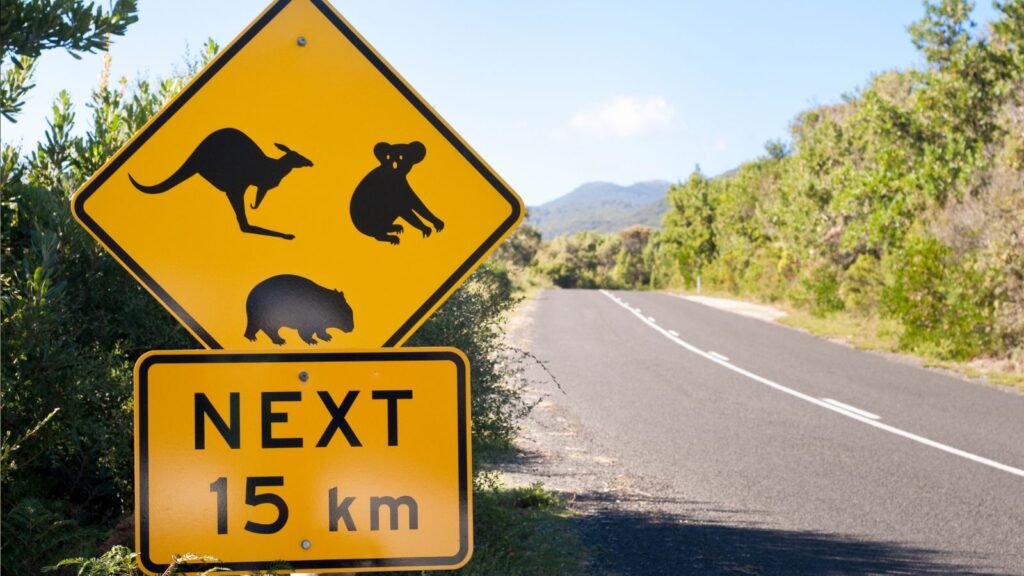
Australian road trips are a rite of passage, from coastal drives to long inland stretches between country towns. Yet many travellers still overlook how everyday choices on the road influence the animals that call these places home. Drawing on field observations from carers, rangers, and drivers, this guide looks at simple, realistic habits that make life safer and calmer for native wildlife and travelling pets alike.
Reading The Landscape While Driving
Experienced outback drivers often say that understanding the road begins with understanding the land around it. Long grass close to the shoulder, roadside water, and scattered feed all attract kangaroos, wallabies, and emus, especially around dawn and dusk. Slowing slightly through these stretches and scanning both verges gives drivers more time to respond if an animal moves suddenly. On unlit country roads, using high beams where legal and safe helps pick up eye shine earlier, while dipping them for oncoming traffic prevents animals from being startled into erratic movement. Locals also recommend planning the longer legs of a journey so that the final hour does not fall in the darkest part of the night, when fatigue and animal movement often peak together.
Travelling With Pets In Native Country
Pet owners increasingly include dogs in holiday plans, which adds a layer of preparation whenever a journey passes through areas rich in native animals. Secured harnesses or crates prevent sudden lunges toward windows if a dog notices wildlife, and they also help keep the driver focused. Many seasoned travellers set up a consistent “travel space” for their animals in the car so the routine feels familiar trip after trip. Australian-based stores such as Petstralia.com offer sturdy travel crates, seat belt-compatible harnesses, and collapsible bowls that help keep the pet area organised and comfortable on long drives. At rest stops, keeping dogs on lead and away from dense scrub protects ground-dwelling birds and small mammals that may be nesting close to picnic areas without being immediately obvious to human eyes.
Small Habits That Leave Places Peaceful
People who work regularly along popular touring routes often notice that the most thoughtful travellers share a few quiet habits. They close gates they pass through exactly as they found them, reducing the chance of livestock or wild animals straying onto the road. They choose firm, existing pull-offs instead of creating new tracks into fragile ground, which also helps avoid hidden holes and soft shoulders that can bog a vehicle. Food scraps are packed back into the car rather than tossed from windows; this keeps roadside animals from learning to associate vehicles with easy snacks, a pattern that frequently ends badly for both creatures and drivers. Even simple choices such as parking a little farther from creek lines, using established walking paths at viewpoints, and observing local pet rules in caravan parks all contribute to quieter, less stressful spaces for native species. Over time, these habits turn individual holidays into a shared culture of travel that honours the living landscapes Australians love to explore.