
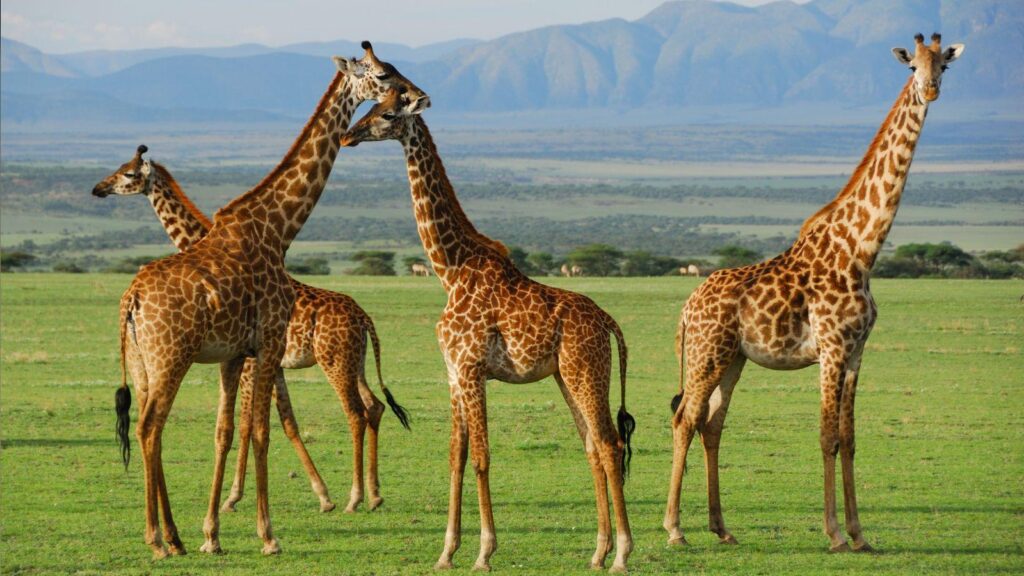
Giraffes are one of the easiest animals in the world to recognize. Their long necks, patterned coats, and quiet movements have made them a familiar symbol of African wildlife, appearing everywhere from safari brochures to children’s books and zoo exhibits.
That familiarity has created a dangerous misunderstanding. Because giraffes are so visible in popular culture, many people assume they are still secure in the wild. They see an animal that feels permanent, peaceful, and abundant, not a species facing a growing conservation crisis. This is why conservationists often describe the giraffe’s decline as a silent extinction.
Familiar Does Not Mean Protected
Some endangered animals have a crisis story that the public understands quickly. Elephants are linked to the ivory trade. Rhinos are linked to horn poaching. Tigers are linked to deforestation and illegal wildlife markets. These threats are easy to name, easy to visualize, and easy to turn into global campaigns.
Giraffes face a more complicated mix of pressures. Habitat loss, illegal hunting, drought, civil unrest, weak enforcement, and land fragmentation all contribute to their decline. Because there is no single image or villain that explains the crisis, the public often misses the scale of what is happening.
The result is a strange kind of neglect. People love giraffes, but they do not always see them as animals that need urgent protection. Their popularity creates emotional affection, but affection alone does not fund research, protect land, support rangers, or build long-term conservation programs.
The IUCN Red List currently classifies giraffes as Vulnerable, a category used for species that face a high risk of extinction in the wild if threats continue. In 2016, the IUCN reported that giraffe numbers had fallen by up to 40 percent over three decades, moving the species from Least Concern to Vulnerable.
A Crisis That Looks Different Across Africa
The giraffe crisis is not the same everywhere. Giraffes live across different countries, ecosystems, and conservation landscapes, which means each population faces its own level of risk.
Some groups have shown signs of recovery where conservation has been targeted and sustained. Others remain under serious pressure from habitat conversion, hunting, insecurity, and climate stress. Recent conservation estimates place Africa’s giraffe population at around 140,000 individuals, but that number still sits within a broader story of long-term decline and uneven recovery.
This uneven picture matters. A species can appear stable in one region while disappearing from another. When people only look at the total number, they can miss the local losses that slowly weaken the species as a whole.
Population fragmentation is one of the biggest concerns. As roads, farms, settlements, and fences cut through the former giraffe range, groups become separated from one another. Isolated populations have fewer breeding options, less genetic diversity, and fewer safe routes to food and water. Over time, that isolation can make recovery much harder, even when some giraffes remain in the area.
The Main Threats Facing Giraffes
Habitat loss remains one of the most serious threats. As land is converted for farming, livestock, settlements, roads, and development, giraffes lose the savannas, woodlands, and shrublands they need to survive. They are large animals with wide movement needs, so fragmented land can quickly limit their ability to feed, breed, and respond to seasonal changes.
Illegal hunting adds another layer of pressure. In some areas, giraffes are killed for meat, hides, bones, tails, or other body parts. This problem often grows where poverty, food insecurity, conflict, and weak law enforcement overlap. That does not mean local communities are the enemy of conservation. In many places, they are the people best positioned to protect wildlife. But when communities lack support and conservation systems are weak, animals become more vulnerable.
Human-wildlife conflict also increases as people and giraffes share shrinking landscapes. Giraffes may pass through farms, move near settlements, or enter areas where people are already struggling with limited resources. Without practical conflict-reduction strategies, these encounters can lead to injury, retaliation, or further pressure on giraffe movement.
Climate stress makes the situation even harder. Drought affects the trees and vegetation that giraffes depend on, while also putting pressure on the people who live near giraffe habitats. When water, crops, and livestock are under stress, conservation becomes harder to sustain without meaningful community support.
Why Giraffes Receive Less Global Attention
Giraffes are loved, but they are often treated as background animals in the conservation conversation. They appear in safari imagery as part of the scenery, standing gracefully behind the more urgent stories of elephants, rhinos, lions, and gorillas.
That background role has consequences. When a species becomes part of the visual identity of wild Africa, people can begin to assume it will always be there. Giraffes become symbols rather than living populations with specific needs, pressures, and risks.
Their decline also lacks the shock value that often drives public attention. Giraffes are not usually at the center of dramatic news stories. Their losses happen through shrinking habitat, smaller herds, weaker corridors, and local disappearances that rarely make headlines.
But extinction does not always arrive as a dramatic collapse. Sometimes it arrives as a slow reduction in range, a gradual thinning of numbers, and a quiet disappearance from places where an animal once belonged.
Why Giraffes Matter Beyond Their Beauty
Giraffes deserve protection because they are living animals with intrinsic value, not because they are useful to humans. Still, their ecological role shows why their loss would affect more than one species.
As tall browsers, giraffes feed on leaves and branches that many other herbivores cannot reach. Their feeding patterns can influence tree growth, vegetation structure, and the balance of savanna and woodland ecosystems. They also move through large landscapes, which may help with seed dispersal and the wider movement of plant life.
Their presence is part of a larger ecological relationship between plants, herbivores, predators, birds, insects, and people. When giraffes disappear from a landscape, that loss can alter the system in ways that may not be obvious immediately.
What Real Conservation Should Look Like
Giraffes need more than public affection. They need long-term conservation work that matches the scale of the threat.
That work includes habitat protection, anti-poaching support, wildlife corridors, community partnerships, scientific monitoring, veterinary response, and better funding for conservation programs across Africa. It also requires practical systems that can respond when giraffes are injured, orphaned, displaced, or trapped in unsafe conditions.
In some areas, this may include establishing giraffe rescue centers that can support emergency care, rehabilitation, and protection for vulnerable animals. These centers should not replace habitat conservation, because giraffes ultimately belong in safe, connected wild landscapes. But they can play an important role within a broader conservation strategy, especially where individual animals face immediate danger.
Communities Must Be Central to the Solution
Conservation cannot succeed if it treats local communities as an afterthought. The people who live near giraffe habitats often carry the daily cost of coexistence. They share land with wildlife, manage crop damage, face resource pressure, and live with the realities of conservation decisions made far from their homes.
A serious giraffe protection strategy must support both wildlife and people. That can include conservation jobs, education programs, tourism benefits, conflict-reduction tools, ranger support, and land-use planning that gives communities a real stake in protecting giraffes.
When conservation works with communities instead of around them, it becomes more durable. People are more likely to protect wildlife when conservation also protects dignity, livelihoods, and local futures.
The World Still Has Time to Act
The giraffe’s silent extinction is not irreversible. Conservation efforts have helped some populations recover, and better research has improved the world’s understanding of how different giraffe populations are doing. The problem is not that action is impossible. The problem is that action has not been urgent enough in enough places.
Waiting would make the work harder. Once populations become too small, habitats too fragmented, or movement routes too broken, recovery becomes more expensive and less certain. Early protection is not only kinder to wildlife. It is also more practical.
Giraffes have stood at the edge of global attention for too long. They are recognizable enough to be loved but overlooked enough to keep declining without the level of concern they deserve.
Their silence should not comfort us. It should warn us.
The world still has a chance to protect giraffes before more populations disappear from the landscapes they have shaped for generations. But that chance depends on whether global attention turns into funding, habitat protection, community support, and sustained conservation action.
