
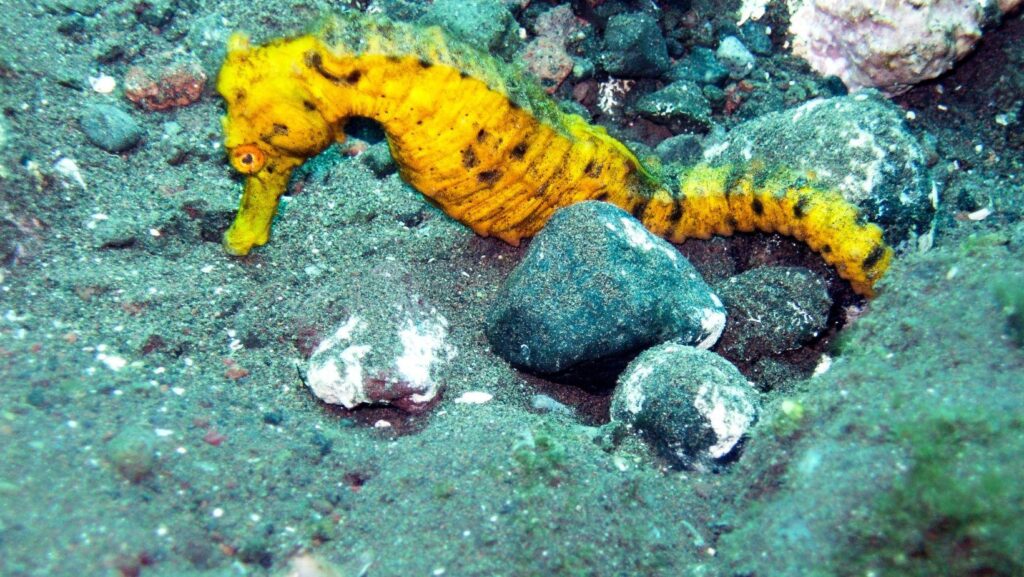
A seahorse in the Mediterranean Sea wraps itself around plastic packaging debris instead of seagrass. It cannot feed properly. Its grip weakens. It dies within weeks. This is not a rare incident. Seahorses mistake plastic waste for food and shelter because our packaging decisions have filled their habitat with it. But here is the overlooked part of this story. The specific packaging materials we choose today determine whether this seahorse survives tomorrow. Not all packaging kills equally. Some actually heals the ecosystem. The choice is ours.
The Cascading Problem: How Bad Packaging Choices Destroy Marine Life
Microplastics Enter the Food Chain
Standard plastic packaging degrades into microplastics over 50-200 years. Fish mistake these particles for plankton. Seahorses, small fish, crustaceans all ingest them. The plastic moves up the food chain. Larger predators eat contaminated prey. Marine birds get tangled in packaging fragments. A single plastic bottle wrapper can poison multiple species before it fully degrades.
Persistent Chemical Leaching
Plastic packaging does not just break apart. It leaches chemicals. BPA, phthalates, and other additives seep into seawater. These chemicals disrupt hormone systems in marine species. Fish populations show feminisation. Reproductive rates drop. Entire species face genetic damage from packaging chemicals alone. The damage is invisible but systematic.
Physical Entanglement and Habitat Suffocation
Packaging materials create ghost gear in the ocean. Fishing nets, plastic bags, packaging waste become traps. Sea turtles strangle in six-pack rings. Dolphins suffocate in plastic film. Coral reefs get smothered by packaging debris that drifts down from surface waters. A single piece of packaging can disable an animal for life. Broken flippers. Blocked digestive systems. Starvation.
Ecosystem Disruption Through Habitat Contamination
Seagrass beds where seahorses anchor themselves become plastic repositories. The animals cannot find clean anchoring points. Kelp forests get wrapped in packaging film. The ecosystem structure collapses. Food sources disappear. Breeding grounds become toxic. An entire habitat dies not from a single catastrophic event but from relentless contamination by packaging waste.
The Solution Spectrum: Not All Alternatives Are Equal
Compostable Bioplastics
Bioplastics like PHA and PLA degrade in 3-6 months under proper conditions. They do not leach harmful chemicals. The problem is scale. Most bioplastics require industrial composting facilities. They break down poorly in natural marine environments. Current technology cannot yet replace all plastic applications. But for specific packaging needs, bioplastics work today.
Glass and Metal Packaging
Glass and metal are infinitely recyclable. Zero chemical leaching. Complete durability. The catch is transportation. Heavier packaging increases carbon emissions. More fuel burned. More environmental cost despite zero ocean contamination. For some products this trade-off makes sense. For others it creates a different problem.
Cardboard and Paper-Based Packaging
Paper tubes and cardboard packaging degrade in 2-6 months naturally. No harmful chemicals. If sourced from recycled materials, minimal resource extraction needed. Companies producing eco-certified paper tubes are already doing this at scale. The material is compostable, recyclable, and safe for marine ecosystems. The real advantage is practical. Paper tubes work for supplements, cosmetics, food, consumer goods. Brands do not need to redesign their entire operation. They just switch the packaging.
Mushroom-Based and Mycelium Packaging
Mycelium packaging grows like leather from fungi. It biodegrades in weeks. Zero toxins. Currently expensive and limited in scale. But this technology points toward a future where packaging is genuinely alive, not just degradable. Within 10 years this could replace substantial portions of plastic packaging.
Refillable and Reusable Systems
The most effective solution requires no new material. Brands shift to refill models. Customers return containers. Zero new packaging waste. But this requires infrastructure change and customer participation. Not viable for all product types yet viable for many.
The Real Impact: What Choosing Sustainable Packaging Actually Saves
If a brand switches from plastic packaging to paper-based tubes, here is what changes in five years. Those tubes do not enter the ocean. Zero microplastics from that source. Zero chemical leaching from that product line. A seahorse in the Mediterranean does not mistake degraded tube fragments for seagrass. One fish survives that would have died. Multiply this across thousands of brands. Millions of animals. Entire ecosystems stabilise.
The impact is not theoretical. Every packaging decision either contributes to marine death or marine survival. There is no neutral choice.
The Choice Is Now
A seahorse does not care about your packaging supplier. It only knows whether it lives or dies. Your packaging choice determines that outcome. Sustainable alternatives exist today. Paper tubes. Bioplastics. Glass. Metal. Refill systems. Each has trade-offs. But all beat the slow poison of persistent plastic.
The question is not whether sustainable packaging is possible. It is. The question is whether your brand is ready to use it.
