
Across southern Kenya, Maasai landowners face a decision that shapes the future of entire ecosystems. They can subdivide their communal land for wheat farming and cattle ranching — which generates predictable income — or they can lease it for wildlife conservation through tourism-funded conservancy agreements.
Right now, tourism revenue is winning that contest in several critical areas. But it’s closer than most people realize.
The Financial Mechanism Behind Conservancy Leases
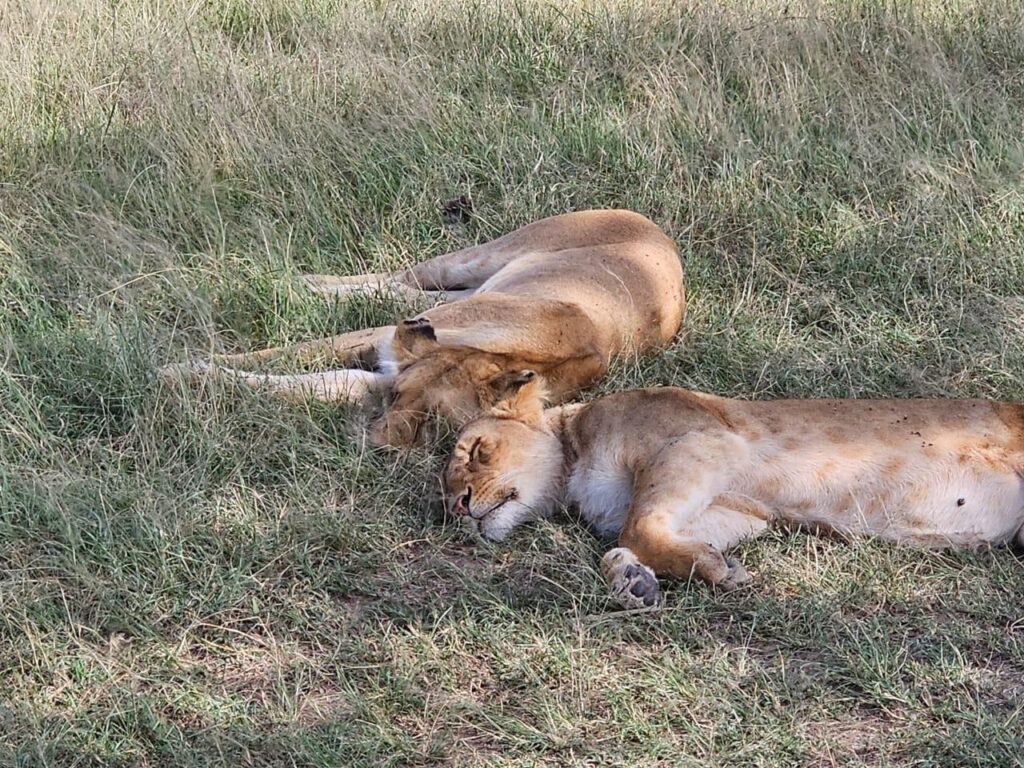
Private conservancies adjacent to the Masai Mara National Reserve — places like Olare Motorogi, Naboisho, and Mara North — exist because of a specific financial arrangement. Maasai landowners sign lease agreements, typically renewed annually, in exchange for monthly payments funded almost entirely by lodge revenue. In return, the land remains open for wildlife to roam freely across unfenced corridors.
This isn’t charity. It’s a functioning economic model. When occupancy rates at luxury lodges are high, lease payments stay competitive with agriculture. When tourism drops — as it did sharply during the COVID-19 pandemic — landowners lose income and some begin reconsidering conversion to farmland. The pressure is constant.
What keeps the system working is a steady flow of travelers willing to pay premium rates at low-density, high-quality camps. And increasingly, those travelers are honeymooners.
Why Honeymooners Have Become Unexpected Conservation Funders
Couples planning milestone trips tend to spend more per night, stay longer, and book during both peak and shoulder seasons. For conservancy lodges that cap occupancy at 12 to 20 guests, a honeymoon couple occupying a premium suite for four or five nights generates substantial revenue relative to the lodge’s small capacity.
That revenue does several things simultaneously. It covers the monthly land lease to Maasai landowners. It pays salaries for community rangers who patrol for snares and poaching activity. It funds borehole maintenance that provides water for both livestock and wildlife during dry months. And it supports predator compensation programs — payments to herders when a lion or leopard kills their cattle, which reduces retaliatory poisoning.
I’ve sat in on community meetings in the Mara where conservancy managers present annual financial reports to landowners. The numbers are surprisingly transparent. Landowners know exactly how much revenue came from tourism, how much went to leases, and how much funded security patrols. When those numbers look strong, the vote to renew the conservancy lease is straightforward. When they don’t, it gets tense.
The Eco-Lodge Model
The lodges operating inside these conservancies don’t just benefit from the land — many of them are built to minimize their impact on it. Solar arrays handle electricity. Rainwater harvesting and greywater recycling reduce water extraction. Single-use plastics are banned entirely at most properties. Vehicle density is restricted to one or two per wildlife sighting.
For couples exploring eco-luxury Kenya honeymoons, the appeal goes beyond aesthetics. Your nightly rate is directly protecting the land you’re sleeping on. That’s not marketing language. It’s the literal financial structure of the conservancy system.
Low-Impact Travel Planning and Park Fees
How you structure your safari matters for conservation outcomes too.
Choosing a low-impact 4-days Masai Mara itinerary that concentrates your game drives within a single reserve or conservancy reduces vehicle emissions and soil erosion from track overuse. It also maximizes the proportion of your spending that stays within one ecosystem rather than getting spread thin across multiple parks.
The park fee structure in 2026 reflects the conservation cost of maintaining these areas. Masai Mara National Reserve charges $200 per non-resident adult per day during peak season (July through December) and $100 during low season. Children aged 9 to 17 pay $50 year-round. The Mara is managed by Narok County, not Kenya Wildlife Service, and operates on its own payment platform.
KWS-managed parks, including Nairobi National Park, use the updated portal at kwspay.ecitizen.go.ke. Nairobi NP charges $80 per non-resident adult and $40 per child. These fees fund ranger operations, fence and road maintenance, and veterinary units across KWS’s entire park network.
For anyone comparing packages independently, masaimarasafari.travel breaks down fee structures and itinerary options clearly. It’s worth checking before you commit to a specific operator.
Concerns Worth Addressing Honestly
Is “eco-luxury” just greenwashing? Sometimes, yes. Not every lodge that markets itself as sustainable actually operates that way. I’ve visited properties that advertise solar power but run diesel generators for 18 hours a day. The simplest test: ask whether the lodge sits inside a registered conservancy with a published land lease agreement. If it doesn’t, the “eco” label may be cosmetic.
Does flying to Kenya cancel out your conservation contribution? A round-trip flight from London or New York to Nairobi produces between 1.5 and 4 metric tons of CO₂. That’s significant, and no lodge stay fully offsets it. What your trip does accomplish is generating direct revenue for land leases and ranger patrols that wouldn’t exist otherwise. It’s a trade-off, not a wash. I wouldn’t pretend it’s carbon-neutral, but I also wouldn’t dismiss the conservation value of the revenue.
What happens to the wildlife corridors if tourism declines? This is the question that keeps conservancy managers up at night. During the pandemic downturn, some conservancies couldn’t make full lease payments for months. Landowners in those areas began allowing livestock back onto conservation land. Snaring increased. It took over a year for some areas to recover after tourism returned. The system works, but it’s fragile. It depends on consistent visitor numbers.
A Detail Most Visitors Never See
Our guide Peter — a licensed safari guide with over a decade of fieldwork in the Mara — once drove us past a low wire fence at the edge of a conservancy boundary. On one side, tall golden grass, scattered acacia, a herd of topi grazing. On the other, plowed soil stretching to the horizon. That fence line, he said, is held in place by lease payments.
The evening light was turning everything copper, and you could smell charcoal smoke drifting from a nearby manyatta. Somewhere behind us, a hyena started its low whoop-whoop call — a sound that carries far across open ground at dusk.
That boundary is what tourism revenue protects. Not an abstract idea of conservation. A literal line in the dirt between a functioning ecosystem and a wheat field.
Your Travel Spending as a Conservation Decision
Sustainable safari tourism in Kenya isn’t a niche category anymore. It’s the financial engine that keeps hundreds of thousands of acres of wildlife habitat from being converted to agriculture. Every night a honeymooner spends at a conservancy lodge, every park fee paid at the Mara gate, every tip left for a community ranger — it accumulates into the operating budget that holds these ecosystems together.
If you’re planning a trip, the most impactful thing you can do isn’t buying carbon offsets. It’s choosing operators and lodges that sit inside functioning conservancy models, where your money flows directly into land protection and community livelihoods. That’s philantourism in practice — not a slogan, but a financial mechanism that works as long as travelers keep showing up.
