

As developers reconsider how entertainment venues interact with natural ecosystems, casino architecture is experiencing a subtle but significant change. Architects are looking for ways to design resorts that draw tourists without upsetting nearby environments as concerns about sustainability, light pollution, biodiversity preservation, and green building regulations get more attention. Wildlife-sensitive design will be a defining trend for the next ten years as physical venues are under even more pressure to explain their environmental footprint as internet gaming grows through platforms and mobile casinos for Android and iOS.
Eco-Integrated Architecture for Natural Habitats
Contemporary casino resorts frequently border protected areas, deserts, forests, or coastlines—regions where wildlife is at risk yet tourism is booming. Instead of replacing the land, architects are investigating alternative constructions that complement it.
Developers assess environmental impact reports—which have grown increasingly comprehensive over the past ten years as biodiversity loss has increased—before implementing such designs (UNEP, World Wildlife Fund). Biologists and conservation specialists are now included in the early design stages of resorts in places like Southeast Asia, Macau, and Nevada.
Key Approaches to Eco-Integrated Architecture
- Topography-based building — shaping structures around natural landforms to reduce excavation.
- Green roofs and planted terraces — providing habitat corridors for birds, insects, and small mammals.
- Earth-tone façades — reducing visual intrusion and helping buildings blend with surrounding natural colors.
- Wildlife-safe access routes — including underpasses and protected corridors for migrating species.
- Native vegetation landscaping — recreating local ecosystems rather than introducing ornamental plants.
Such strategies help keep animal activity patterns intact while reducing the physical footprint that often comes with large entertainment complexes.
Light Pollution Reduction and Dark-Sky Compliance
Bright visual identities are a hallmark of casino resorts, but they also disturb nighttime wildlife. Artificial lighting has an impact on species’ global migration, breeding, and navigation patterns, according to research from the International Dark-Sky Association.
Because of this, eco-friendly hotels and observatories have previously embraced dark-sky design ideas, which are now being implemented by forward-thinking casinos..
Light-Reduction Techniques Used in Casino Architecture
| Design Method | Description | Wildlife Benefit |
| Shielded LEDs | Direct light downward, reducing skyglow | Protects nocturnal species |
| Warm-color temperature lighting | Reduces blue light that disrupts circadian rhythms | Helps birds, insects, and amphibians |
| Timed illumination systems | Lights dim during low-traffic hours | Preserves night navigation pathways |
| Façade projection limits | Minimizes moving or flashing exterior displays | Reduces stress responses in wildlife |
| Motion-controlled pathways | Activates only during actual use | Limits unnecessary brightness |
As more regions adopt light-pollution ordinances, developers planning for 2030 and beyond are treating dark-sky compliance as part of core design rather than an optional feature.
Renewable Energy and Low-Impact Infrastructure
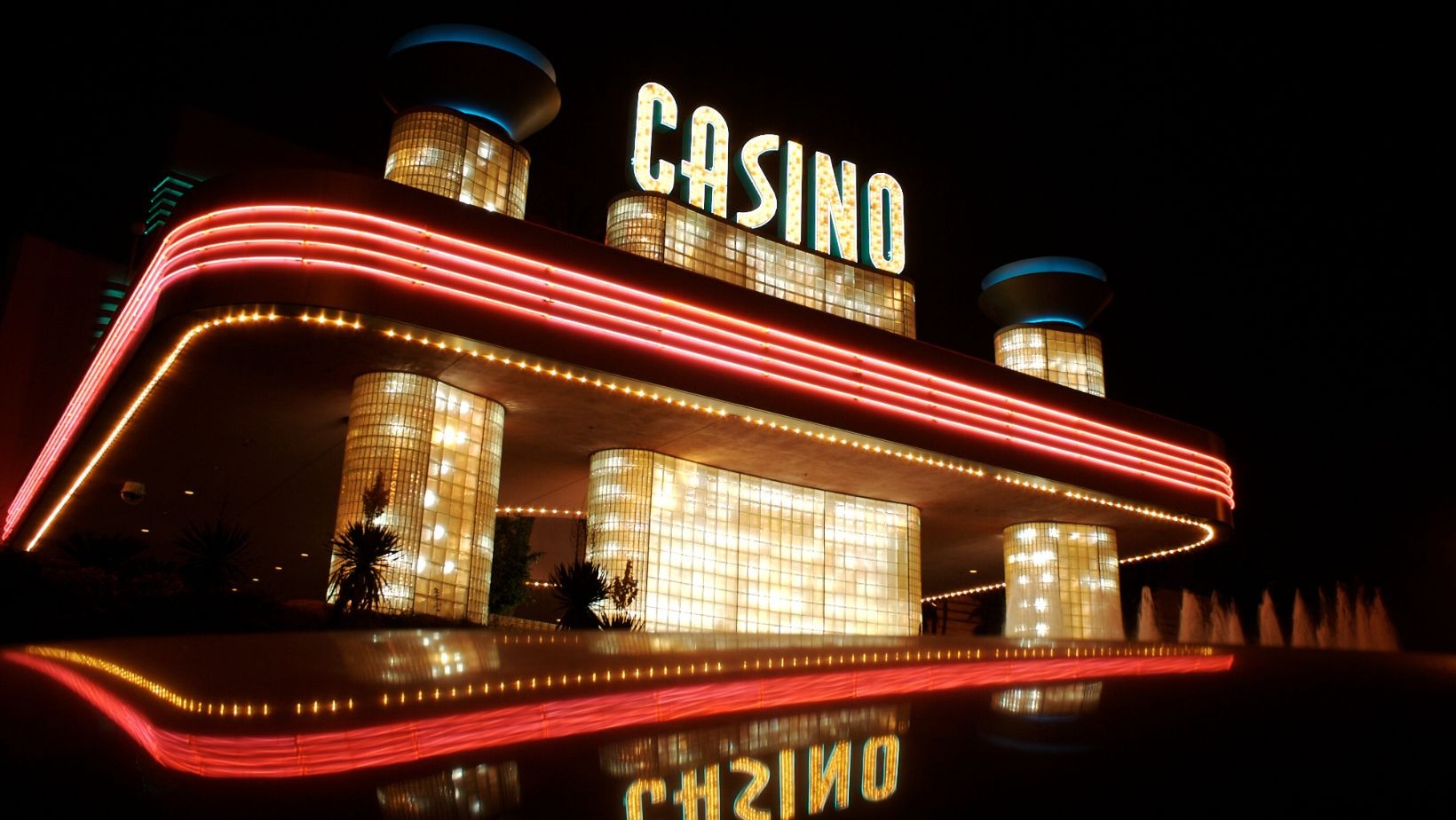
Large-scale casinos have historically used a lot of water, energy, and building supplies. Nonetheless, advancements in green engineering and renewable technology have made it possible to run wildlife-friendly businesses that consume fewer resources and emit fewer emissions.
Large solar arrays have already been placed in resorts like MGM’s Las Vegas sites, while water recycling and energy-efficient cooling technologies have been included into casino buildings in Singapore and Monaco. By lessening the burden on regional ecosystems, these improvements immediately benefit wildlife.
Key Technologies and Infrastructure Shaping Casino Sustainability
- Solar photovoltaic farms placed on unused land or rooftops.
- Greywater recycling systems supporting natural landscaping without excess freshwater consumption.
- Geothermal cooling in climates where ground temperature can stabilize indoor environments.
- Smart HVAC and building automation to reduce unnecessary energy use.
- Rainwater harvesting for irrigation supporting native plant life.
These systems contribute to LEED and BREEAM certifications—standards that are becoming benchmarks for entertainment architecture worldwide.
Biophilic Design and Wildlife Corridors
The goal of biophilic architecture is to use design to bring humans closer to the natural world. This entails designing layouts for casino resorts that promote biodiversity and visitor well-being. Inspired by this method, structures emphasise wildlife movement, flora, water elements, and natural ventilation.
The creation of wildlife corridors—protected routes that let animals move through or around resort areas safely—is one such trend. These corridors support healthy populations of native species as habitats are fragmented by urban development.
Emerging Biophilic Concepts in Future Casino Resorts
- Living walls featuring climate-appropriate flora
- Indoor botanical zones replacing traditional lobbies
- Natural ventilation systems reducing mechanical cooling needs
- Open-air gaming terraces with sound and light buffers
- Wetland-inspired water filtration gardens
These features support both environmental and guest health goals by reducing noise, improving air quality, and offering a more organic atmosphere.
Conservation Partnerships and Eco-Education for Guests
In addition to architecture, the most recent casino developments are starting to explicitly fund conservation organisations. Partnerships with local environmental organisations, habitat restoration initiatives, and wildlife foundations enable resorts to show their real impact and give guests useful information.
Some casinos are even incorporating exhibits, guided environmental walks, and tiny teaching centres that showcase local ecosystems and species. This pattern is consistent with broader trends in tourism that emphasise ethical travel and eco-awareness.
According to studies conducted by the Global Sustainable Tourism Council and Booking.com’s yearly eco-travel reports, visitors are placing a higher priority on sustainable values.
As interest rises, many readers follow environmental activities through industry material like https://first.com/blog/casino, where themes frequently touch on cutting-edge approaches to tourism infrastructure and contemporary sustainability trends.
In contrast to opposition, casino architecture for 2030 and beyond is shifting towards harmony with natural systems. Large entertainment venues may survive, provided careful planning, scientific research, and a sincere dedication to conservation are followed. This is demonstrated by wildlife-friendly design, which combines aesthetic appeal, operational efficiency, and environmental responsibility.