
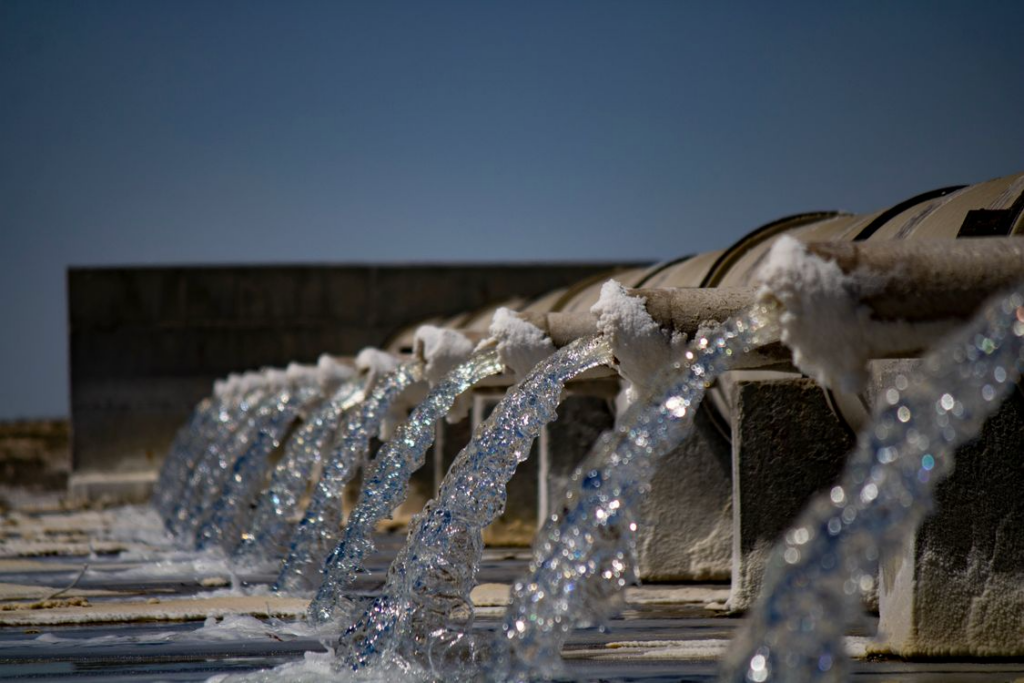
Clean water tech often gets overlooked, yet many waterways struggle with rising pollution, unstable flows, and declining wildlife because traditional systems can’t keep up. Aquatic habitats depend on steady, clean conditions, and even small disruptions can ripple through entire ecosystems. When contamination builds up, fish, amphibians, and wetland species face challenges that are difficult to reverse.
This article explains how modern clean water technologies reduce nutrient spikes, capture microplastics, support river health, and create safer, more stable environments for species that rely on balanced water systems.
Nutrient Removal Protects Fragile Ecosystems
When nutrient levels rise, algal blooms spread fast and block the light that plants and aquatic animals rely on. Modern nutrient removal systems help prevent these blooms by reducing the compounds that fuel them. This creates more stable water conditions for fish, invertebrates, and native plant species.
Facilities often monitor a few clear nutrient control indicators:
- Fewer bloom events
- Clearer water
- More stable fish activity
Many communities now combine traditional treatment with biological processes that encourage beneficial microbes to break down excess nutrients. These methods are becoming more accessible as facilities upgrade older equipment. The result is a more consistent water balance that supports long-term ecosystem recovery.
Water Reuse Supports River Health
Water reuse reduces the strain on streams and wetlands by limiting the amount of water withdrawn during dry seasons. This helps maintain steady flow levels that wildlife depend on and strengthens long-term habitat stability. Reuse technologies also give communities more control over local water supplies while leaving more clean water in the environment.
Many regions facing drought are turning to reuse as a core strategy rather than an optional upgrade. These efforts protect fish spawning cycles that rely on predictable flows and seasonal water movement. A practical example comes from high-performance treatment systems offered by Bioprocess H2O, which support water recovery efforts that align with long-term ecosystem protection.
High Performance Processes Boost Water Quality
Some pollutants require stronger treatment than basic filtration can offer. High-performance processes break down stubborn compounds that persist in water and threaten biodiversity, especially in areas facing heavy industrial or agricultural runoff. These systems support cleaner habitats, reduce ecological stress, and improve clarity in waterways where species rely on stable conditions and steady nutrient balance.
Treatment plants adopting these methods often see sharp improvements in water transparency and reduced toxicity levels. These gains influence everything from plant growth to fish migration patterns. As treatment standards rise, the surrounding environments often show measurable recovery and greater long-term stability for native species.
Habitat Monitoring Enhances Environmental Protection
Water tech now includes smart sensors that track changes in temperature, clarity, and nutrient levels in real time. These tools help scientists and communities spot problems early, giving aquatic species a better chance at surviving sudden shifts in water conditions and allowing managers to adjust conservation efforts more precisely.
Some monitoring systems pair sensor data with machine learning to predict changes before they occur, offering deeper insight into ecosystem trends. This forward-looking approach strengthens restoration plans and helps habitats stay resilient. Early detection leads to faster responses, and that support helps protect fish, amphibians, and plants that depend on consistent environmental stability.
Advanced Filtration Removes Hidden Threats
Microplastics and persistent chemicals can slip through older treatment systems and accumulate in wildlife. Advanced filtration traps these pollutants before they reach lakes and rivers, protecting species that are especially sensitive to contamination. This improves sediment quality, strengthens aquatic food chains, and supports a healthier planet.
Newer filtration designs use multiple stages to trap particles of different sizes. This layered approach helps facilities capture both visible debris and microscopic contaminants. The result is a cleaner environment for organisms that feed or reproduce along the bottom of waterways.
Upgraded facilities tend to focus on a few key filtration outcomes:
- Capture of microplastics
- Reduction of chemical residues
- Better conditions for wetland species
Strengthening Biodiversity Through Smarter Water Solutions
Clean water tech strengthens biodiversity by keeping harmful substances out of aquatic environments and supporting healthier habitats. These tools play a major role in protecting fish, amphibians, and wetlands while helping communities manage resources responsibly.
The importance of clean water technology becomes clear when considering how these systems maintain stable conditions for wildlife and support long-term ecosystem resilience. Anyone interested in protecting local waterways or exploring sustainability solutions can continue learning and stay connected to the ongoing progress shaping cleaner, healthier environments.