
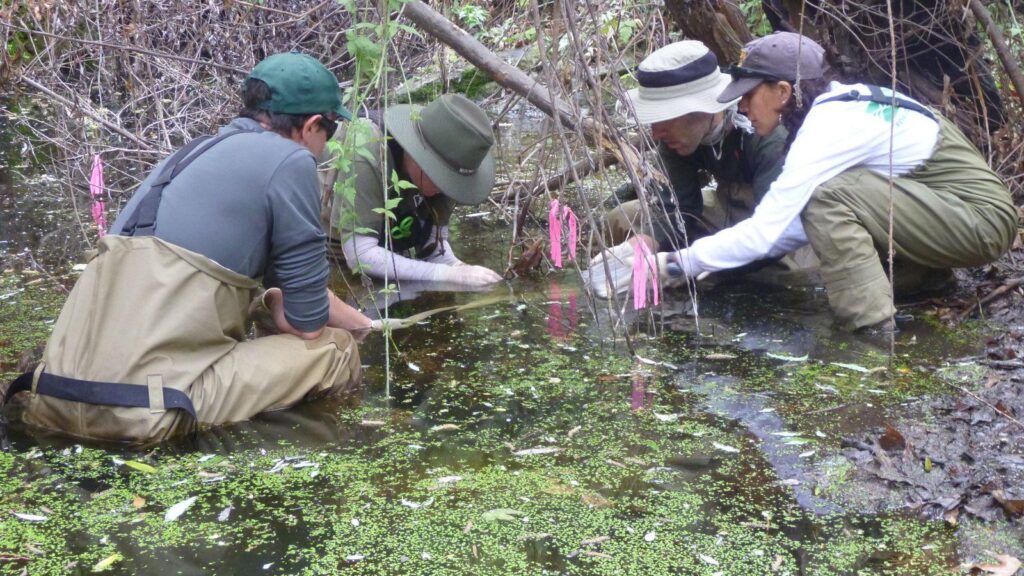
No laboratory nearby. That is the starting condition for most remote wetland surveys. Portable analytical instruments let researchers run volumetric analysis at the sampling location, which matters because water chemistry shifts fast after collection. Dissolved gases leave. Microbial activity alters nutrient levels. pH moves. Equipment built for field conditions captures what the wetland looked like at the moment of sampling, not what the sample looked like after transport.
Why Does Water Chemistry Matter in Wetland Conservation?
Wetlands filter pollutants, regulate nutrients, and slow chemical changes before they spread downstream. Water chemistry is how scientists confirm whether those functions are holding. Alkalinity, dissolved oxygen, and pH each answer a specific question about ecosystem health.
When dissolved oxygen drops below healthy levels, pollution or poor water circulation may be involved. When alkalinity falls, acidic input from rainfall or agricultural runoff is a likely factor. Remote wetlands add another layer of difficulty. No road access. The nearest laboratory a full day away. Field testing becomes necessary, not convenient. Restoration decisions and regulatory referrals happen at the site, without waiting on a processing queue.
What Core Parameters Do Field Scientists Measure?
Alkalinity shows how well the water can buffer against acids. Heavy rainfall, industrial runoff, atmospheric deposition. The ecosystem’s capacity to handle all of it shows up in this single measurement. Precise results require a controlled chemical reaction. A titrator delivers that in the field without a laboratory setup.
Dissolved oxygen sits at the centre of aquatic survival. Fish need it. Invertebrates need it. A low reading needs attention quickly, not after the next lab run. pH controls how metals move through the water column. As pH drops, aluminum becomes more soluble and more toxic to aquatic organisms. Conductivity adds another dimension. Elevated readings often point to saltwater intrusion after storms or runoff from nearby fertilized land. Each parameter is measuring something the others cannot replace.
How Does Titration Fit Into Field Protocols?
A reagent gets added to a water sample in controlled steps until the chemical reaction reaches completion. Alkalinity and dissolved oxygen both yield to this method without electricity or laboratory infrastructure. That matters in a location with no power supply and no support systems nearby.
For wetland teams that need repeatable on-site measurements, Metrohm supports titration workflows built around field use, result tracking, and measurement precision. Sample degradation is the other reason on-site analysis matters. Dissolved oxygen starts leaving a water sample almost immediately after collection. Testing at the location produces results that reflect actual wetland conditions. What survives transport is a different sample.
What Are the Practical Steps for Titration in Remote Wetlands?
Sample collection sets the ceiling for everything that follows. Pre-rinsed bottles. Water gathered at consistent depths and times. Dissolved oxygen and temperature shift fast with depth and sunlight exposure, so protocol consistency is not optional. Some parameters need fixatives added immediately at the site. That step cannot wait.
Alkalinity tolerates a short delay if the sample stays cool. Every extra hour increases the risk of chemical shifts that compromise accuracy. A titrator used according to standard field protocols delivers reliable measurements without controlled temperature rooms or specialised benches. The method still depends on training, but it does not depend on a full laboratory setup.
How Do Field Teams Maintain Accuracy Under Difficult Conditions?
Temperature behaves differently outdoors. A shift of a few degrees accelerates reaction rates or delays endpoint detection in ways a climate-controlled lab never produces. Instruments with temperature compensation handle this automatically. Cloudy or colored water samples break visual endpoint detection. Potentiometric devices track an electrical signal instead, which removes the visual judgment call entirely.
Pre-packaged, stable reagent kits designed for environmental surveys resist spoilage in wet and hot conditions. Running duplicate samples catches anomalies before they become permanent data errors. That is standard field practice, not an optional extra.
What Challenges Do Scientists Face and How Do They Prepare?
Remote fieldwork introduces failure points that laboratories do not have. Equipment breaks. Replacement parts are not available on-site. Reagents degrade faster in heat and humidity. Preparation absorbs most of that risk before the survey begins. Pre-trip maintenance, spare electrodes, and backup manual methods keep data collection running even when automated instruments stop working mid-survey.
A field scientist trained in classical chemical methods can continue key analyses using glassware and basic reactions if needed. That redundancy matters on a two-week deployment with no resupply option. Portable instruments with temperature compensation and durable construction are built to stay operational under demanding travel and working conditions. That matters most when the nearest laboratory is a full day away.
Remote wetland testing works best when field teams match the method to the site, not the other way around. A portable titrator gives scientists a way to measure fragile water chemistry before transport changes the sample. For conservation work, that means faster decisions, cleaner data, and a clearer picture of what the wetland needs next.
©UK Linkology LTD
www.uklinkology.co.uk
