
nvironmental risk rarely begins when contamination is discovered or a regulator becomes involved. More often, it develops gradually through decisions made during planning, design, construction or routine operations. Purchasing land without understanding its history, expanding a manufacturing facility, upgrading ageing infrastructure or introducing new industrial processes can all introduce environmental and workplace risks long before they become visible.
For many organisations, these risks extend beyond environmental compliance. They have the potential to influence project approvals, construction programmes, operational continuity, worker health, insurance claims and long-term financial performance. As Australia’s environmental and workplace legislation has evolved, organisations are increasingly recognising that environmental advice is most valuable when it informs decisions early rather than responding to issues after they arise.
This is where environmental consultants, occupational hygienists and environmental hygiene specialists each play an important role. While their responsibilities are distinct, they often work together throughout the lifecycle of a project to identify risks, assess potential impacts and develop practical management strategies before problems become costly.
Environmental Risk Is Now a Business Risk
Environmental management has traditionally been associated with pollution incidents, contaminated land or regulatory approvals. Today, the scope is considerably broader.
Organisations are expected to understand how their activities may affect the surrounding environment while also managing risks to employees, neighbouring properties and the community.
In Victoria, the Environment Protection Act 2017 introduced the General Environmental Duty, requiring businesses to reduce risks of harm from pollution and waste so far as reasonably practicable. This shifted environmental management from a reactive compliance exercise towards a proactive risk management framework. At the same time, workplace health and safety legislation continues to require employers to identify hazards, assess risks and implement appropriate controls to protect workers from physical, chemical and biological hazards.
Together, these obligations reinforce an important principle: Environmental risks and occupational risks are rarely independent. Decisions made during planning, construction and operations frequently influence both. For example:
- Earthworks on a redevelopment site may uncover contaminated soil requiring environmental assessment while simultaneously creating occupational exposure risks for construction workers.
- Water ingress following a flood event may affect building materials, reduce indoor environmental quality and create conditions favourable for mould growth.
- Industrial processes that generate airborne dust may require environmental monitoring to assess off-site impacts while also requiring occupational exposure monitoring within the workplace.
Managing these issues effectively requires technical advice that extends beyond regulatory compliance and considers how environmental and workplace risks interact.
Environmental Consultants Help Organisations Make Better Decisions Earlier
Many businesses engage an environmental consultant first because a specific issue has already emerged. A planning condition may require an environmental assessment, contamination may be suspected during redevelopment or regulators may request further investigation.
While environmental consultants regularly respond to these situations, their greatest value is often realised much earlier. Early environmental advice allows potential constraints to be identified before major investment decisions have been made. For developers, this may involve understanding historical land use before purchasing a site. For manufacturers, it may involve reviewing environmental risks before introducing a new production process. For local government, it may involve identifying environmental constraints during infrastructure planning rather than during construction.
By understanding these issues early, organisations can incorporate environmental considerations into project planning rather than modifying projects once construction has commenced. This proactive approach often improves programme certainty while reducing the likelihood of unexpected delays, redesign or additional investigation later.
Environmental Due Diligence Supports Better Investment Decisions
Previous industrial activities, agricultural practices, fuel storage, waste disposal or uncontrolled fill may all influence current environmental conditions. These historical uses are not always apparent from a visual inspection, yet they may significantly affect redevelopment potential.
Environmental due diligence provides a structured process for identifying these risks before land is purchased or redevelopment begins. Depending on the site, this may include reviewing historical aerial photography, planning records, environmental databases, previous investigations and available geological information to establish whether further assessment is warranted.
Where potential contamination is identified, additional investigations may be recommended to better understand site conditions before significant project decisions are made. Rather than creating barriers to development, due diligence provides greater certainty by allowing environmental constraints to be incorporated into project planning from the outset.
Environmental Investigations Are About Understanding Risk
One of the most common misconceptions is that environmental investigations are completed solely to confirm whether contamination exists. In practice, they seek to answer a broader series of questions like:
- What historical activities have occurred on the site?
- Could those activities have affected soil, groundwater or surface water?
- Are contaminants likely to migrate beyond the site boundary?
- Could proposed development alter environmental conditions?
- What investigations are necessary to better understand the identified risks?
- What management measures may be required during construction or future site use?
Not every site with a potentially contaminating history requires extensive remediation. Equally, sites that appear relatively benign may still present environmental constraints that warrant further investigation. The objective is not to assume contamination exists, but to gather sufficient evidence to make informed decisions.
Environmental Advice Extends Beyond Contaminated Land
Although contaminated land investigations remain a significant component of environmental consulting, organisations increasingly seek advice across a much broader range of environmental issues including:
- Environmental management plans for construction projects
- Waste classification and resource recovery
- Groundwater investigations and monitoring
- Landfill gas assessments
- Water quality investigations
- Air quality monitoring
- Noise monitoring and vibration assessments
- Environmental due diligence
- Site validation following remediation
While each discipline addresses different environmental challenges, they share a common objective: understanding environmental risks before they become operational, financial or regulatory problems. Rather than responding after an incident has occurred, organisations can use environmental information to improve planning, manage uncertainty and support more informed business decisions.
The earlier this information becomes available, the greater the opportunity there is to integrate environmental considerations into project design, construction methodology and long-term asset management.
When Does a Business Need an Occupational Hygienist?
Environmental investigations often focus on understanding the condition of land, water, air or infrastructure. Occupational hygiene, by comparison, focuses on the interaction between workplace hazards and human health. Although the two disciplines frequently overlap, their objectives are different.
Environmental consultants are primarily concerned with identifying environmental risks and developing strategies to manage them. Occupational hygienists evaluate how workplace conditions may expose employees, contractors or visitors to hazards that have the potential to affect health.
Understanding this distinction is important because identifying a hazard does not necessarily determine the level of risk it presents to people. For example, contaminated soil identified during a site investigation may represent a relatively low environmental risk if it remains undisturbed. However, if excavation works are planned, occupational hygienists may be required to assess whether workers could be exposed to contaminated dust, vapours or fibres during construction activities.
In this way, occupational hygiene complements environmental consulting by translating environmental information into practical workplace risk management.
Hazard Identification Is Only the First Step
Most workplaces contain hazards of some description. The presence of a hazardous substance, process or material does not automatically mean workers are at unacceptable risk. Occupational hygiene is concerned with understanding three key questions:
- What hazards are present?
- How are people likely to be exposed?
- Are existing controls reducing exposure to an acceptable level?
Answering these questions requires more than observation alone. In many cases, scientific measurement is needed to understand actual workplace conditions and determine whether exposure is being effectively controlled. This evidence-based approach enables organisations to make informed decisions about engineering controls, work practices and ongoing monitoring rather than relying on assumptions.
Exposure Cannot Be Assessed by Visual Inspection Alone
Airborne dust, respirable crystalline silica, welding fumes, diesel particulate matter, volatile organic compounds and certain gases cannot be reliably assessed by appearance or smell.
Similarly, environmental conditions such as elevated noise levels, heat stress or inadequate ventilation often require specialised monitoring before their impact can be fully understood.
For this reason, occupational hygienists use recognised sampling methodologies to quantify workplace exposure under normal operating conditions.
Monitoring data provides objective information that can then be compared against relevant exposure standards, industry guidance or recognised occupational hygiene principles.
Rather than asking whether a hazard exists, exposure monitoring asks a more important question: are workers actually being exposed to levels capable of affecting their health?
Air Monitoring Provides Evidence, Not Assumptions
Air monitoring is one of the most frequently misunderstood aspects of occupational hygiene. Many people assume air monitoring is undertaken only after an incident has occurred. In practice, it is often used proactively to verify whether existing control measures are functioning as intended. Depending on the workplace, monitoring may be undertaken for contaminants like:
- Respirable crystalline silica
- Asbestos fibres
- Welding fumes
- Wood dust
- Respirable and inhalable dust
- Diesel particulate matter
- Solvents and volatile organic compounds
- Acid mists
- Metal fumes
Sampling strategies vary depending on the contaminant and work activity being assessed. In some situations, personal monitoring equipment is worn by workers throughout a representative shift to measure individual exposure. In others, static monitoring is undertaken to understand environmental conditions within a workplace or assess potential emissions beyond the site boundary. The objective is not simply to collect data, but to determine whether existing controls remain effective under normal operating conditions.
Occupational Hygiene Extends Beyond Airborne Contaminants
While airborne hazards represent a significant component of occupational hygiene, workplace health risks are considerably broader. Depending on the industry, occupational hygienists may also investigate:
Noise
Prolonged exposure to elevated noise levels remains one of Australia’s most common occupational health risks. Noise monitoring and assessment evaluate both worker exposure and the effectiveness of engineering or administrative controls designed to minimise hearing loss.
Indoor Air Quality
Commercial buildings may experience indoor environmental issues associated with inadequate ventilation, mould growth, volatile organic compounds, combustion products or elevated carbon dioxide concentrations. Indoor air quality investigations seek to identify the underlying causes of occupant complaints rather than simply measuring airborne contaminants.
Heat & Thermal Stress
Construction sites, foundries, manufacturing facilities and outdoor workplaces frequently expose workers to elevated temperatures. Heat stress assessments consider environmental conditions, physical workload, clothing, hydration and work practices to determine whether additional controls may be required.
Biological Hazards
Flood recovery, healthcare environments and water-damaged buildings may present biological hazards including mould, bacteria and other microbial contaminants.
Occupational hygienists assess the potential for exposure and provide recommendations regarding investigation, remediation and ongoing management.
Monitoring Supports Better Workplace Decisions
One of the greatest advantages of occupational hygiene is that it replaces assumptions with measurable evidence. Rather than implementing broad controls based solely on perceived risk, organisations can use monitoring data to determine whether resources should be directed towards:
- Verifying the performance of dust suppression systems
- Assessing the effectiveness of local exhaust ventilation
- Evaluating respiratory protection programmes
- Confirming engineering controls are reducing worker exposure
- Identifying activities requiring additional administrative controls
- Supporting compliance reporting where monitoring is required
Monitoring also establishes a valuable baseline that can be compared over time as workplaces, equipment or operational processes change.
Occupational Hygiene Throughout the Project Lifecycle
Occupational hygiene is often associated with industrial workplaces, yet its application extends across almost every stage of a project’s lifecycle. For example:
- During planning, hygienists may review historical investigations to identify potential workplace hazards associated with contaminated land or hazardous building materials.
- During construction, monitoring may be undertaken to assess worker exposure to dust, silica, asbestos fibres, noise or diesel emissions generated by site activities. Once facilities become operational, ongoing exposure monitoring may be used to evaluate manufacturing processes, indoor air quality or hazardous substance management.
- During refurbishment or demolition, occupational hygienists frequently assist in planning safe work practices, verifying control measures and undertaking clearance monitoring where required.
Viewing occupational hygiene as an ongoing risk management discipline rather than a one-off compliance exercise enables organisations to respond proactively as workplace conditions evolve.
Environmental Monitoring Bridges Environmental & Workplace Risk
Environmental consultants and occupational hygienists frequently work together because many hazards have both environmental and workplace implications. Construction dust provides a good example. Dust generated during earthworks may require environmental monitoring to assess off-site impacts on neighbouring properties while simultaneously requiring occupational exposure monitoring to understand worker exposure onsite.
Similarly, groundwater contamination identified during an environmental investigation may influence excavation methodologies, waste classification and workplace controls.
By integrating environmental consulting with occupational hygiene, organisations gain a more complete understanding of how environmental conditions influence both regulatory obligations and workplace health. This integrated approach supports more effective planning, more targeted control measures and greater confidence throughout the lifecycle of a project.
Environmental Hygiene Supports Recovery & Operational Resilience
Environmental hygiene is often misunderstood because the term is frequently associated with cleaning or building maintenance. In reality, environmental hygiene is concerned with identifying, assessing and managing environmental conditions that may affect the health of building occupants or workers. It typically becomes relevant after an environmental event has occurred, such as:
- Flooding or stormwater ingress
- Fire and smoke damage
- Mould contamination
- Chemical spills
- Sewage overflows
- Biological contamination
- Water quality incidents
Unlike routine cleaning, environmental hygiene focuses on understanding whether contaminants remain within the built environment and determining what actions are required to restore safe occupancy.
Environmental hygiene specialists frequently work alongside environmental consultants and occupational hygienists to investigate contamination pathways, verify remediation outcomes and assess whether buildings or workplaces are suitable for reoccupation.
Why Environmental Hygiene Is More Than Remediation
Remediation is only one component of the process. Equally important is understanding:
- What caused the contamination?
- Has the source been effectively controlled?
- Have contaminants migrated into surrounding building materials?
- Has remediation been successful?
- Is further investigation required before occupants return?
These questions require technical assessment rather than visual inspection alone. For example, following a flooding event, visible moisture may disappear within days while elevated moisture levels remain concealed within wall cavities or flooring systems. Similarly, smoke odours may diminish after cleaning even though combustion by-products remain present within porous materials or ventilation systems. Post-remediation verification provides confidence that remediation objectives have been achieved before normal operations resume.
Why These Disciplines Work Best Together
Environmental consulting, occupational hygiene and environmental hygiene are often viewed as separate services. In practice, they form part of the same risk management process. Each discipline answers a different question.
Environmental Consulting
Focuses on:
- Understanding environmental conditions
- Identifying regulatory obligations
- Assessing environmental risks
- Supporting planning and development decisions
Occupational Hygiene
Focuses on:
- Understanding worker exposure
- Measuring workplace hazards
- Evaluating exposure pathways
- Recommending practical control measures
Environmental Hygiene
Focuses on:
- Investigating contamination events
- Supporting remediation
- Verifying environmental conditions
- Protecting indoor environmental quality
As part of a multidisciplinary approach, they provide a complete framework for understanding environmental risk from initial planning through to ongoing operations.
Environmental Risk Is Best Managed Throughout the Asset Lifecycle
One of the most effective ways to understand these disciplines is to consider where they contribute during a typical project.
Site Acquisition
Environmental consultants undertake due diligence to understand historical land use and identify potential environmental constraints before land is acquired.
Planning & Design
Environmental investigations support planning approvals, environmental management plans and construction methodologies.
Where workplace hazards are anticipated, occupational hygienists may provide advice regarding potential exposure risks associated with proposed construction activities.
Construction
Construction activities frequently require environmental monitoring together with occupational exposure monitoring for dust, noise, silica, asbestos or other workplace hazards. Environmental consultants may also provide advice regarding waste classification, contaminated soil management and groundwater protection.
Operations
Once facilities become operational, environmental monitoring, occupational hygiene assessments and indoor environmental quality investigations help ensure changing workplace conditions continue to be appropriately managed.
Maintenance, Refurbishment & Redevelopment
As buildings age, environmental investigations and occupational hygiene assessments support maintenance planning, refurbishment works and eventual redevelopment by identifying environmental constraints before intrusive works commence.
Viewed collectively, these disciplines provide continuity throughout the life of an asset rather than responding only after problems emerge.
Five Common Mistakes Organisations Make
Although every project is different, several themes regularly emerge across environmental investigations.
Waiting Until Construction Begins
Environmental constraints identified during earthworks often have a far greater impact than those identified during planning. Early investigations provide greater flexibility for project teams to incorporate environmental considerations into design and budgeting.
Treating Compliance as a One-Off Exercise
Environmental and workplace risks change as facilities evolve. Changes in land use, manufacturing processes, occupancy or infrastructure may all require environmental information to be reviewed.
Assuming Visual Inspections Are Sufficient
Many environmental hazards cannot be reliably identified through visual inspection alone. Airborne contaminants, concealed moisture, groundwater impacts and subsurface contamination frequently require scientific investigation to fully understand associated risks.
Considering Environmental & Workplace Risks Separately
Many hazards affect both the surrounding environment and workplace health. Understanding how these risks interact often leads to more effective management strategies than addressing each discipline independently.
Seeking Advice Only After a Problem Emerges
Reactive investigations remain important. However, organisations generally achieve better project outcomes when environmental advice informs decision-making before construction, redevelopment or operational changes commence.
Frequently Asked Questions
When should an environmental consultant be engaged?
Environmental advice is generally most valuable during planning, land acquisition, redevelopment or whenever environmental conditions have the potential to influence project outcomes, compliance obligations or operational risk.
Does every project require occupational hygiene monitoring?
No. Occupational hygiene investigations are generally undertaken where workplace hazards have the potential to affect worker health or where monitoring is required to understand exposure levels and evaluate existing controls.
What is the difference between environmental monitoring and occupational monitoring?
Environmental monitoring typically assesses impacts on the surrounding environment, such as air, water, soil or noise beyond the workplace. Occupational monitoring evaluates worker exposure within the workplace to determine whether appropriate controls are effectively managing health risks.
Can environmental investigations reduce project delays?
Early environmental investigations frequently provide greater certainty by identifying constraints before construction or redevelopment begins, allowing risks to be considered during planning rather than after work has commenced.
Why is independent environmental advice important?
Independent technical advice provides organisations with objective information that supports informed decision-making, regulatory compliance and effective risk management throughout the lifecycle of a project.
Environmental Advice Supports Better Business Decisions
Environmental management has evolved considerably beyond regulatory compliance. Today, organisations are expected to understand how environmental conditions influence project delivery, worker health, operational resilience and long-term asset performance. Environmental consultants, occupational hygienists and environmental hygiene specialists each contribute different expertise, but together they provide a comprehensive understanding of environmental and workplace risk.
By integrating these disciplines into planning, construction and operational decision-making, organisations are better positioned to identify emerging issues early, manage uncertainty and respond proactively as projects evolve.
Ultimately, environmental advice is most valuable when it prevents problems rather than responding to them.
How Scaada Can Help
Scaada Environmental provides independent environmental consulting, occupational hygiene and environmental monitoring services across Victoria. Our multidisciplinary team supports developers, councils, infrastructure contractors, manufacturers, commercial property owners and government agencies through every stage of the asset lifecycle—from early due diligence and planning through to construction, operations and redevelopment.
Whether undertaking environmental site investigations, occupational exposure assessments, contaminated land investigations, air and water quality monitoring or post-remediation verification, Scaada provides practical, evidence-based advice that helps organisations understand environmental risks, meet regulatory obligations and make informed decisions with confidence.
SEO Metadata (Yoast Optimised)
Focus Keyword
Environmental Consultant
Supporting Keywords
- environmental consulting services
- environmental consultant services
- occupational hygienist
- occupational hygiene services
- environmental hygiene services
- environmental monitoring
- environmental assessments
- environmental consultant Australia
- environmental risk assessment
- workplace exposure monitoring
Page Title (59 characters)
Why Businesses Engage Environmental Consultants Early
Meta Description (154 characters)
Learn how environmental consultants, occupational hygienists and environmental hygiene specialists help businesses manage risk before projects begin.
Suggested URL
/why-businesses-engage-environmental-consultants
Alt text
Image 1 (Field sampling):
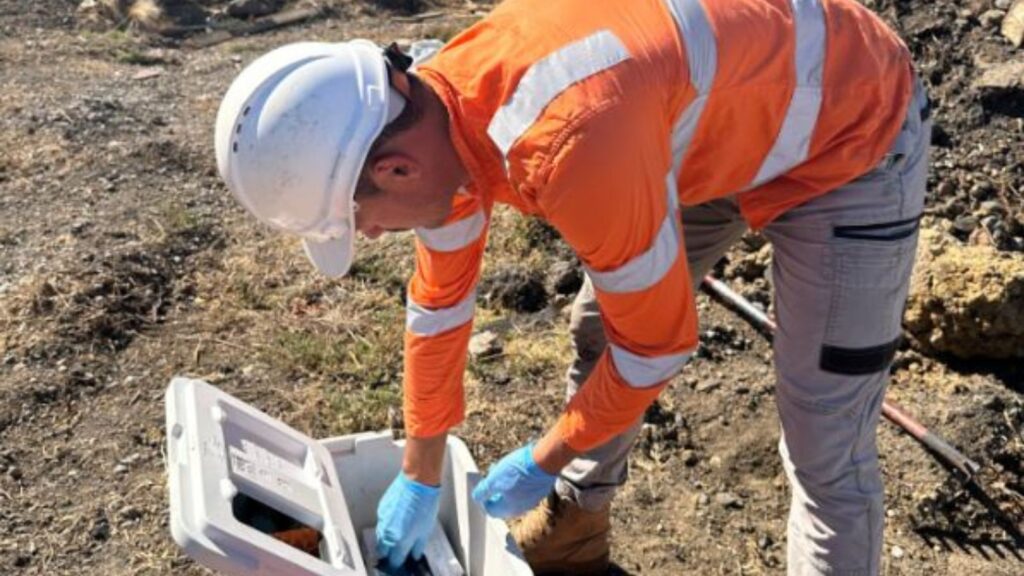
Environmental consultant collecting soil samples during a site investigation to assess contamination and support environmental risk assessment.
Image 2 (Respiratory monitoring):
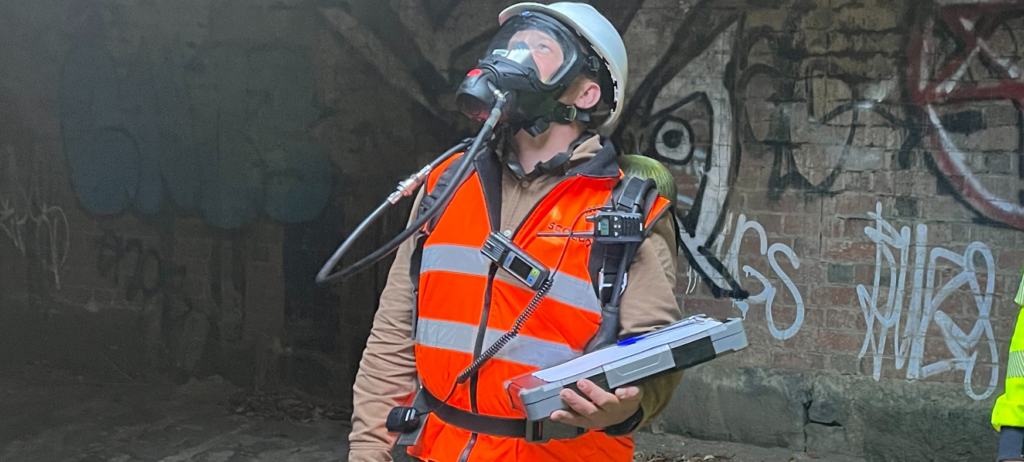
Environmental consultant undertaking occupational air monitoring and environmental assessment within a confined industrial structure to identify airborne contaminants and protect worker health.
Recommended Internal Links
- Occupational Hygienists
- Air Quality Monitoring
- Asbestos Services
- Silica Dust Monitoring
- Environmental consultant
- Remediation Action Plans
- Noise Monitoring