
Introduction
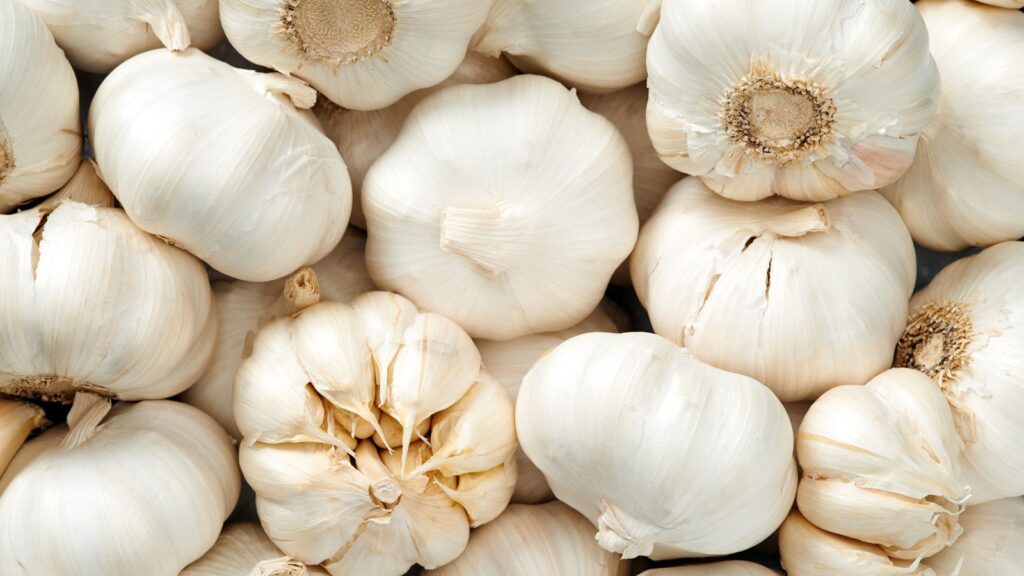
There are lots of problems in agriculture at present. Soil life is fast deteriorating! No longer an abundance of water resources. Pests and climate change are also affecting the farmers. Farming is traditionally chemical-focused. These chemicals can be detrimental to soil life in the long-term. There is a need for many farmers to find alternative methods. The answer is in “regenerative agriculture. It is dedicated to the restoration of soil and the ecosystem. Garlic is a part of this system; it is very important. Helps maintain healthy land and decreases the use of chemicals. These days, regenerative garlic culture practices have come into practice. An increasing number of garlic growers are realizing the importance of sustainable garlic farming practices.
What is Regenerative Agriculture
Regenerative agriculture is an approach to farming. It aims at restoring soil. Good soil is good soil. A healthy soil is a healthy crop. It also acts as a carbon sink and gives a boost to biodiversity.
This type of farming concentrates on:
- Building organic matter in the soil to improve the soil quality.
- Reducing chemical inputs
- Conserving water
- Supporting beneficial insects
- Increasing biodiversity
Whereas traditional farming works against nature, regenerative farming works with nature. What they want to do is to restore broken lands. As time goes on, it turns into better soil and is more fertile.
Crop rotation, cover cropping, composting, and low tillage are practiced by farmers. Garlic is easily incorporated into these methods.
Garlic helps to improve soil health.
Garlic is more than just an ingredient in a kitchen. It is beneficial in many ways with regard to soil. The roots can help to break up firm soil. Avoid materials in the spaces between bark and wood to enhance the ability of water and air to pass between them.
Another important function of garlic is that it can help to promote microbial activity. The breakdown of organic material by healthy microbes. This will bring nitrogen and phosphorus to the soil.
Garlic has numerous health-promoting properties for plants, such as:
- Better root penetration
- Improved soil structure
- Increased microbial balance
- Reduced soil compaction
- Added organic residue
These benefits provide a reinforcement of the agricultural systems naturally, which enhances their strengths.
Natural Pest Management With Garlic
The sulfur compounds are present in garlic. The highest odor source is due to these compounds. Dislike of this odor by many pests.
Garlic prevents flies from flying:
- Aphids
- Spider mites
- Beetles
- Slugs
- Certain nematodes
Garlic is sometimes cultivated in proximity to other sensitive plants by farmers. This helps eliminate pest problems through natural control methods.
The use of garlic sprays is also popular. One simple solution is to crush the garlic and, when mixed with water, use it as a solution. This is used by farmers to make crops unpopular to the insects.
This means that there is less need for artificial pesticides. Reducing chemicals benefits soil organisms and pollinators.
Therefore, sustainable garlic cultivation is beneficial for the ecological systems.
Garlic Supports Crop Rotation Systems
In regenerative farming, you simply have to rotate your crops. One crop must be repeated to exhaust the soil. Also raises disease susceptibility.
Garlic will fit easily into crop rotation systems. It is a part of the Alliums. This is unique when compared to many vegetables.
The most common intercrops for garlic grown by farmers are:
- Legumes
- Leafy greens
- Brassicas
- Root vegetables
Can help alleviate nutrient imbalances with this rotation. It also reduces the pests’ life cycles.
The legumes are naturally replenishing the nitrogen in the soil. From this, garlic reaps the rewards of better fertility. This helps to establish a healthier growing system.
A variety of rotations helps minimize disease buildup. They also increase the resilience of farms.
Water usage in growing Garlic.
The conservation of water is a matter of importance in the present day. Drought stress is a widespread issue in many locations. Garlic is a moderately water-intensive crop.
Is water efficient, more so than other crops. Garlic will tolerate dry periods once established.
Mulching garlic beds will retain moisture better. This helps minimise water loss by evaporation.
Water-efficient methods of Garlic Cultivation include:
- Drip irrigation
- Mulching
- Organic matter addition
- Rainwater harvesting
A healthy soil also has better water-holding capacity. Garlic planted in a good field will thrive on dry land.
This means that garlic can be grown as part of a rotational crop system.
Garlic and Biodiversity
The farmed ecosystems perform an ecosystem service to biodiversity. The greater the diversity of an ecosystem, the more stable it is.
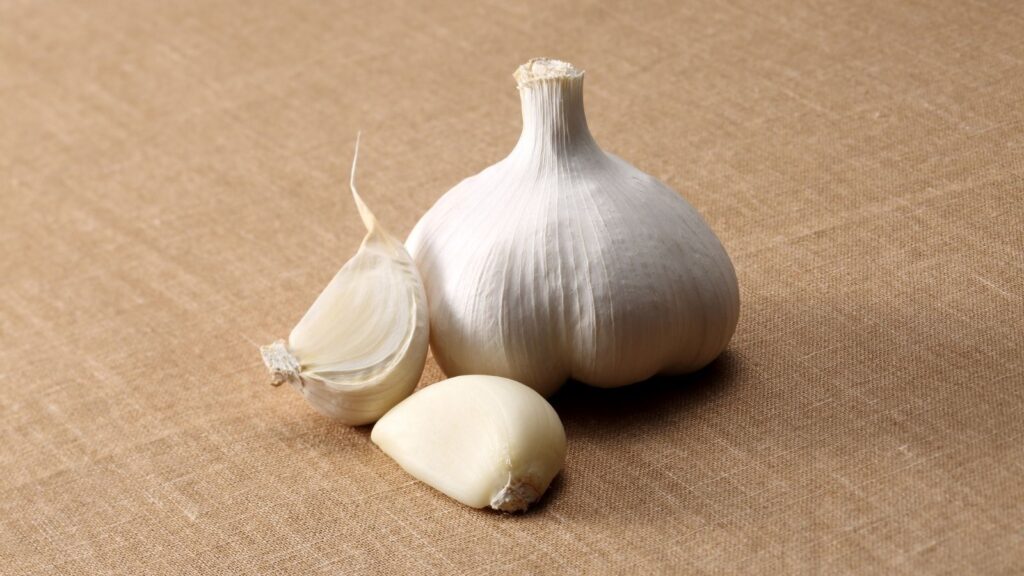
In several ways,s garlic contributes. When left to flower, it will draw pollinators to it. During flowering, garlic produces flowers that are visited by bees.
Garlic benefits companion crops, too! Pests are eliminated from nearby plants.
Biodiversity benefits include:
- More beneficial insects
- Better pollination
- Improved ecosystem balance
- Reduced pest outbreaks
A farm experiences overall health by virtue of a certain level of diversity.
Economic Benefits for Farmers
Even though garlic might not be large, it’s really quite significant.
It could lead to higher income for farmers. It may also result in better farm income.
Regenerative practices need to be doable as well. Profit is needed for the farmers for crops.
There is a high demand for garlic in the market. It is utilized all over the globe in foods and health supplements.
Garlic will keep well after harvest. This will help to minimize food waste and enhance selling flexibility.
The farmers can benefit from:
- Long shelf life
- High consumer demand
- Value-added products
- Lower chemical costs
More moneymaking possibilities include garlic-owning and sales, garlic drugs, and garlic powder.
Because of this, many garlic producers view sustainable production as good business and for the environment.
Challenges in Garlic Production
Key production issues are presented. Potential production problems are given.
Garlic cultivation has some advantages and is not easy. There are some problems yet to be resolved.
Common challenges include:
- Fungal diseases
- Weed competition
- Poor drainage
- Seed quality issues
These should be carefully managed by the farmers. It’s crucial to have healthy seed stock. Also, good spacing allows good ventilation. Organic methods are planning and observation-based.
However, there will be pros and cons for every parent.
Conclusion
Use of garlic as a crop in regenerative agriculture is worthwhile. It contributes to the health of the soil, the biodiversity, and natural pest control. It also cleans up the crop rotation and reduces water requirements. Garlic is a method that can help farmers reduce chemical use. It has also gained great value in the market, which brings financial advantages as well. Garlic gains importance with the trend towards the sustainable production of the agriculture sector. Now more than ever before, many garlic growers are well aware of the potential of sustainable garlic production for building resilient food systems. Small-scale farming can have big consequences for the environment. This is evident from garlic.