
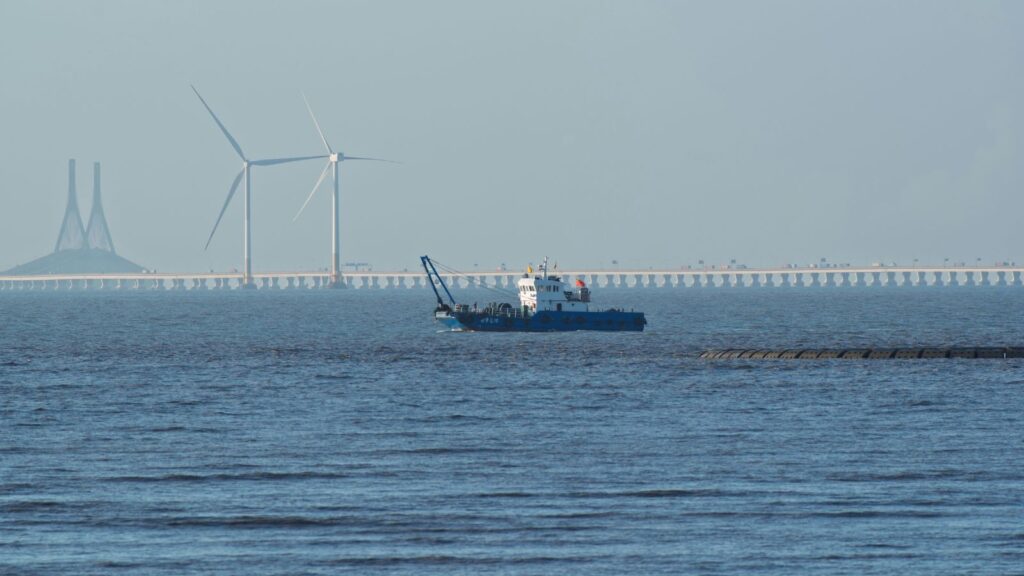
Offshore energy development continues to expand across coastal regions, bringing both opportunity and responsibility. Wind farms, oil and gas platforms, and marine research installations operate in environments that are remote, exposed, and ecologically sensitive. While public discussion often focuses on emissions and habitat impact, another critical dimension deserves attention: the preparedness of the people who work in these settings.
At the centre of that preparedness lies water survival training. Offshore personnel frequently travel by helicopter or vessel to reach installations located far from shore. In the event of an emergency, response time can be limited, and external rescue may take longer than expected. Structured water survival training equips workers with the knowledge and practical skills needed to respond calmly and effectively in those critical moments.
The Realities Of Offshore Transport And Evacuation
Reaching offshore installations involves unique risks. Helicopter transfers require strict coordination and weather assessment. Crew boat transport can expose personnel to heavy seas and unpredictable conditions. Once on a platform, evacuation procedures must be understood by everyone, regardless of role.
In these environments, theory alone is insufficient. Participants in water survival training practice emergency drills that simulate real world conditions. They learn how to don personal flotation devices correctly, understand cold water physiology, and operate survival equipment. Repeated exposure to realistic scenarios helps reduce panic and reinforces disciplined responses.
Preparing For Underwater Egress Scenarios
One of the most challenging aspects of offshore travel involves helicopter underwater egress training, commonly known as HUET. In a controlled training setting, participants experience a simulated helicopter ditching in water. They practice orienting themselves, releasing restraints, and exiting safely.
Such exercises build muscle memory. When individuals have physically rehearsed underwater escape procedures, they are better prepared to manage stress in an actual emergency. This level of competence protects not only the individual but also fellow crew members who rely on coordinated evacuation.
Safety And Environmental Protection At Sea
Offshore incidents can have consequences beyond personal injury. An uncontrolled evacuation or delayed response may increase the risk of secondary events, including equipment damage or environmental contamination. Workers who understand emergency protocols contribute to orderly responses that limit escalation.
Competence gained through water survival training supports responsible offshore operations. Personnel trained in platform abandonment and survival craft procedures are less likely to improvise during crises. Clear communication and practiced routines help stabilize situations quickly, reducing the likelihood of further harm to marine ecosystems.
Environmental stewardship is often framed in terms of policy and technology. Human preparedness deserves equal consideration. Offshore workers who are trained to respond effectively represent an essential layer of protection for both colleagues and surrounding waters.
Offshore Wind And The Role Of Standardized Safety
The growth of offshore wind energy has introduced thousands of technicians to marine environments. Access to turbines typically involves vessel transfers and, in some regions, helicopter travel. Standardised safety requirements ensure that all personnel meet consistent benchmarks before entering these sites.
Within the wind sector, GWO courses establish recognised safety standards for working at height, first aid, fire awareness, and sea survival. These programmes complement water survival training by embedding broader risk awareness into daily operations. Technicians who understand both marine survival principles and turbine specific hazards are better positioned to operate safely offshore.

Continuous Competence In High-Risk Environments
Certification is not permanent. Offshore conditions evolve as technology advances and installations expand into deeper waters. Maintaining competence requires periodic review and refresher exercises.
Recurrent training reinforces skills that may not be used frequently but remain critical during emergencies. When crews rehearse evacuation procedures and survival techniques, they maintain familiarity with equipment and communication protocols. This continuity strengthens collective resilience across offshore teams.
Building A Culture Of Preparedness
Emergency readiness depends on more than individual skill. It requires a culture in which safety procedures are respected and regularly practiced. Drills, clear briefings, and visible leadership commitment all contribute to this environment.
Organisations that invest in structured programmes such as water survival training demonstrate that preparedness is a shared responsibility. Training providers like FMTC deliver courses that combine theoretical understanding with hands-on practice in realistic settings. Certified instructors with field experience guide participants through scenarios designed to reflect offshore realities.
A workforce that trains together builds trust. When individuals know their colleagues have completed the same rigorous preparation, confidence increases. That confidence supports disciplined action during unexpected events.
Frequently Asked Questions
1. Who Should Complete Water Survival Training
Anyone travelling offshore by helicopter or vessel should complete water survival training. This includes platform workers, engineers, wind technicians, marine crew, and support staff who may be exposed to emergency transport situations.
2. What Skills Are Covered During Training
Participants learn evacuation procedures, survival craft operations, cold water response, and underwater egress techniques. Practical exercises reinforce how to use flotation devices, location aids, and communication protocols during emergencies.
3. How Does Water Survival Training Relate To Environmental Responsibility
Prepared personnel respond more effectively during crises, reducing the risk of escalation that could affect marine ecosystems. Orderly evacuation and controlled procedures support both human safety and environmental protection.
4. Are Additional Courses Required For Offshore Wind Workers
Wind professionals often complete GWO courses to meet industry standards. These programmes address sector specific risks and complement marine survival training for those working in offshore wind installations.
Offshore development will continue to shape the global energy landscape. Protecting ocean environments involves careful planning, strong regulation, and competent personnel. When workers are trained to manage emergency situations with clarity and discipline, they contribute to safer operations and more responsible stewardship of marine spaces. Structured preparation remains one of the most practical ways to align industrial activity with conservation values.