
The brochure always begins the same way.
A golden sunrise. A giraffe doing yoga beside an acacia tree. A smiling ranger pointing somewhere heroic into the distance — usually at an animal that is conveniently not eating him.
You flip the page and suddenly you are no longer a person with unpaid electricity bills and a kitchen drawer full of mysterious cables. You are an explorer. A patron saint of biodiversity. A guardian of tigers. All you have to do is wire a few thousand dollars and promise to wear beige clothing.
Welcome to conservation tourism — one of the most emotionally persuasive industries on Earth.
But beneath the khaki romance sits a question conservationists increasingly whisper rather than shout:
Are we saving wildlife… or quietly reorganizing nature into a business model?
The Safari Paradox
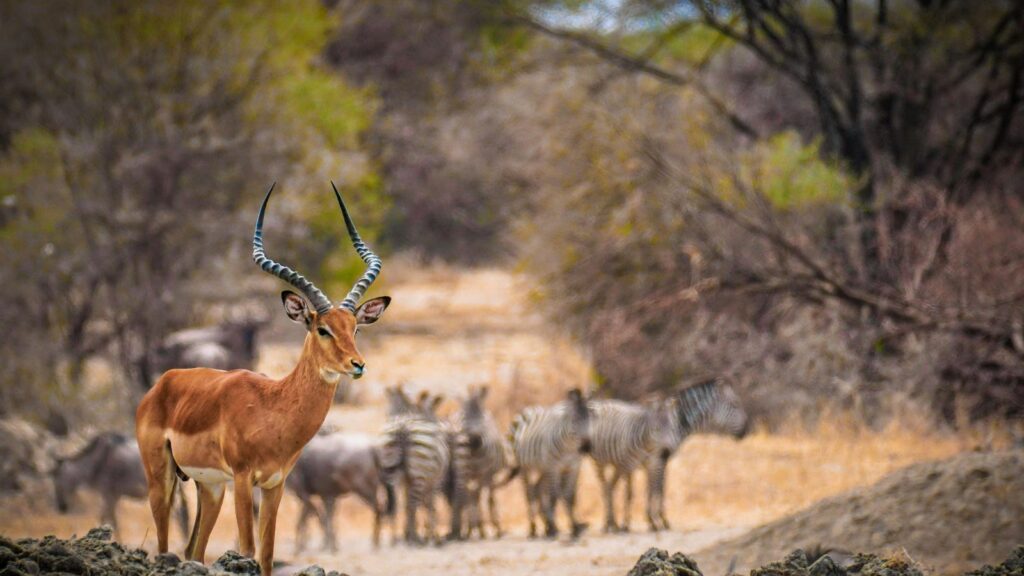
Take the classic African safari. Kenya, Tanzania, Botswana — the holy trinity of bucket-list wilderness.
The pitch is simple and morally irresistible:
Your visit pays park fees → park fees fund rangers → rangers protect animals → animals survive because you came.
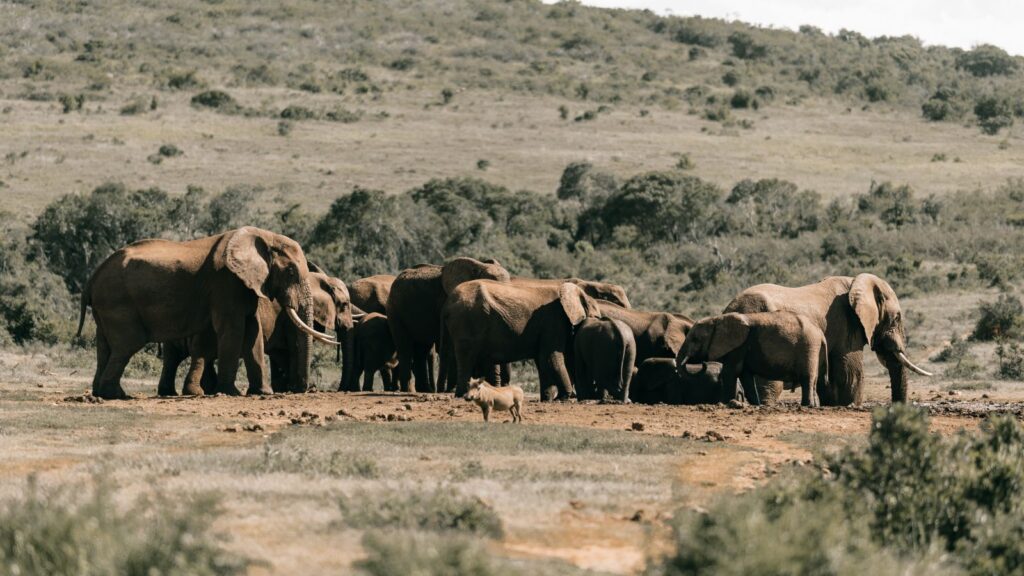
And to be fair, this part is not fiction. In many regions, safari tourism genuinely prevented extinctions. After the 1980s poaching crisis, several national parks survived largely because foreign tourists suddenly turned elephants into a source of recurring income rather than one-time ivory profit.
An elephant killed = one payment.
An elephant photographed = income for 40 years.
Economists love this equation. It is elegant, tidy, and morally comforting.
Nature, however, is rarely tidy.
Because that same national park often used to be… someone’s grazing land.
Entire Maasai and pastoralist communities were displaced during the creation of protected reserves. In some cases, they still live along the borders — literally watching tourists pay to photograph animals that regularly destroy their crops at night.
Imagine paying taxes to protect deer that eat your entire vegetable garden, while strangers pay $800 to admire them.
Conservation can look very different depending on which side of the fence you sleep on.
Gorilla Trekking: The $1,500 Handshake
Now travel to Rwanda or Uganda.
Here you may purchase one of the most expensive walks of your life: a one-hour visit with mountain gorillas. Permits can exceed $1,500. You hike through rainforest, sweat through every pore you own, and then suddenly — there they are. A silverback sitting like a retired king.
It is genuinely moving. Many visitors cry. Some apologize to the gorilla. One reportedly bowed.
The program works. Mountain gorilla numbers have increased. That is real conservation success.
But follow the money carefully.
A significant portion funds park protection, veterinary teams, and anti-poaching patrols. However, villagers living around these forests often remain among the poorest populations in the region. They receive employment — porters, guides, lodge staff — yet the premium profits largely flow to governments, tour operators, and international travel companies.
In other words: wildlife became valuable… but not necessarily equally valuable to everyone.
When Tigers Become Investments
India’s tiger reserves offer another fascinating case.
Tigers, once hunted by royalty and colonial officers, are now the celebrities of the forest. Entire towns depend on tourists hoping to see 250 kilograms of striped muscle crossing a dusty road at sunset.
Hotels multiply around reserve entrances. Jeep safaris run like airport shuttles. You can now track a tiger with the precision of a food delivery app.
Conservationists celebrate rising tiger populations. But local farmers often face cattle losses and occasional human casualties. Compensation exists, yet bureaucratic delays are legendary. For some villagers, the tiger is not a majestic icon — it is a recurring financial risk with excellent public relations.
The animal, unintentionally, has become an economic asset.
A protected one, yes.
But still an asset.
A Strange Psychological Mirror
Here is the uncomfortable thought.
Conservation tourism works because humans protect what generates income. We rarely say it aloud, but wildlife survival now depends on market demand. A panda lives partly because it photographs well. A rhino survives partly because tourists feel noble near it.
The forest has, quietly, entered capitalism.
And in odd ways, modern entertainment culture reflects this logic everywhere. We monetize attention, emotion, and risk. Even online leisure industries operate on similar psychology — engagement, reward loops, and perceived value. While researching digital economies I stumbled across communities discussing betChan, sometimes compared to an online casino in Canada, and it struck me how familiar the structure felt: people willingly pay for an experience that produces excitement, identity, and story. Conservation tourism, though far more meaningful, taps a related human impulse — we financially participate in something larger than ourselves and call it purpose.
Except here the participants are lions.
Do Local People Benefit?
The honest answer: sometimes.
Community-run conservancies in Namibia and Kenya have shown promising models where villagers receive direct revenue shares and wildlife numbers rebound. Where locals profit, poaching drops dramatically. People protect what protects their livelihoods.
But where revenue bypasses communities, resentment grows. Fences appear. Conflicts escalate. Conservation becomes something done to residents rather than with them.
And that is where critics use a heavy phrase:
Green colonialism.
Not soldiers. Not flags.
But land management decisions are made for global audiences rather than local realities.
Animals: Beings or Brands?
Conservation tourism undeniably saves species. That is the undeniable victory.
Yet it also subtly changes how we see animals. A tiger is no longer only a predator. It is a tourism driver. A gorilla becomes a premium encounter. A lion becomes a logo.
We didn’t domesticate wildlife.
We monetized wildness.
The irony is almost poetic: humanity finally found a reason to preserve nature — we made it economically useful to admire it.
So is conservation tourism a savior?
Yes.
Is it also complicated, unequal, and ethically tangled?
Also yes.
The truth lives somewhere between a ranger’s rifle and a tourist’s camera lens: wildlife now survives partly because we turned awe into currency. And the future of conservation may depend on whether we can share that currency more fairly — with both the people who live beside the animals and the animals themselves, who never asked to be part of the business plan.