
If you have been monitoring the utility market recently, you are likely aware of the massive shifts occurring across the Australian grid. Extreme weather events and rising network fees make traditional electricity models are becoming increasingly challenging under current market conditions. Relying exclusively on centralized power companies leaves families exposed to unpredictable price hikes. To take real control over what you pay every quarter, property owners must move beyond passive consumption. Transforming a standard residential house into a self-sufficient ecosystem requires modern infrastructure and careful planning.
The rising cost of traditional grid electricity
Household budgets face incredible pressure from escalating retail energy tariffs. Wholesale market volatility forces providers to pass massive costs directly onto consumers. Whenever you open a quarterly statement, those climbing standing charges become impossible to ignore. You realize that waiting for prices to drop is a losing strategy.
Securing long-term financial stability demands a total shift in perspective. Paying premium rates for fossil-fuel electricity makes little financial sense when renewable options exist. If you want to protect the family from inflation, generating independent power is the logical first step.
The solar over-supply challenge
The biggest issue with traditional solar setups in Australia today is a simple timing mismatch. Because most solar panels reach peak production during the middle of the day, the grid is constantly flooded with excess energy from thousands of homes all at once. Since the market is so saturated, the “rebate” you get for exporting your extra power has dropped significantly. You’re essentially giving away valuable energy for pocket change.
The real financial pain hits in the evening. When you get home from work and start running your appliances—like the oven, the TV, or the air conditioning—your solar panels have already shut down for the day. This forces you to buy electricity back from the grid at peak-time prices. This “sell cheap, buy dear” cycle is the main reason your solar investment isn’t working nearly as hard for your budget as it should be.
Unlocking energy autonomy through advanced storage
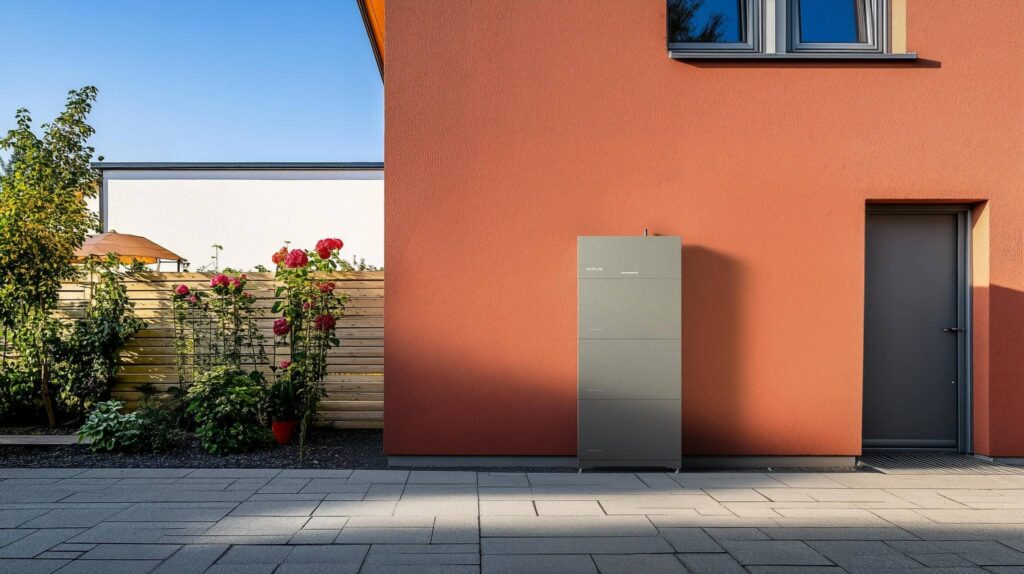
To break this expensive cycle, hardware intervention becomes absolutely necessary. By installing a premium solar battery storage system, the property can physically bank its daytime surplus. Instead of giving valuable energy away to retailers, the home safely retains it for later use.
When you install advanced hardware, the home gains access to commercial-grade capabilities. Delivering impressive continuous output allows residents to run heavy appliances simultaneously. Bypassing peak evening tariffs can help reduce exposure to peak electricity costs over time. You essentially turn the property into a highly profitable micro-power station.
Avoiding blind consumption with smart technology
Having a deep physical reserve of stored power gives the household budget a massive advantage. However, true residential efficiency requires total visibility over where that power goes. Running high-draw appliances during peak tariff windows drains reserves incredibly quickly.
Allowing secondary refrigerators to consume energy unnoticed creates a massive financial leak. If you manage the property using guesswork, you risk depleting the batteries before the morning sun returns. Eliminating this blind consumption is critical for long-term success.
Taking command of daily power consumption
Digital automation perfectly bridges the gap between generation and usage. By integrating a comprehensive HEMS, total clarity is finally achieved. Through an intuitive smartphone application, you can easily monitor real-time generation and active consumption.
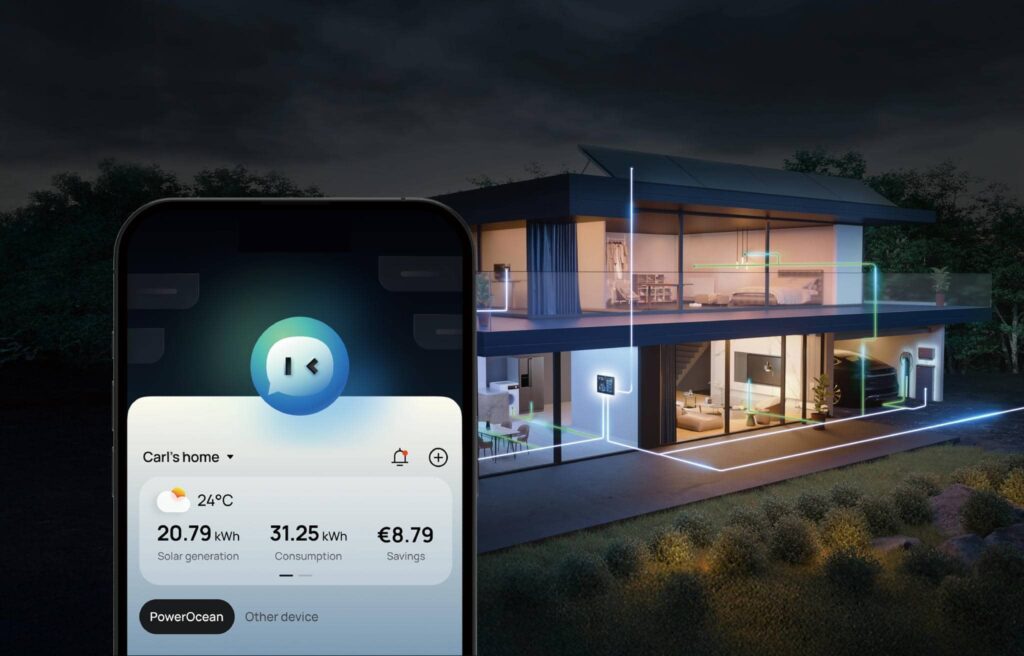
Instead of relying on basic algorithms, modern platforms utilize intelligent software tracking. This acts as a vigilant digital brain. If you check the application, you will see it actively analyzing local weather forecasts and dynamic utility rates to optimize savings.
Maximizing value through automated daily charging
Intelligent software ensures that you extract the maximum financial value from every single kilowatt. If tomorrow is forecasted to be cloudy, the system automatically pulls cheap overnight power from the grid to fill the batteries.
Automated load shifting restricts heavy appliances from draining the battery during crucial backup periods. This hands-free approach optimizes the entire ecosystem perfectly. You never have to manually adjust settings or worry about the next day’s weather patterns.
Ensuring hardware safety in the Australian heat
When integrating high-capacity electrical equipment into a residential building, operational safety must remain the absolute highest priority. Australian summers throw blistering heat at outdoor equipment, demanding uncompromising structural durability.
A secure setup relies heavily on continuous digital oversight rather than just thick metal casings. If you live in regions with extreme temperature fluctuations, reliable internal safeguards prevent hardware degradation. You need complete assurance that the system will survive severe heatwaves.
Keeping the household safe with internal monitoring
The internal battery management system constantly monitors the health of the hardware. It evaluates the voltage, current, and temperature of every individual cell simultaneously. If you experience a localized thermal spike, the system instantly rebalances the load before a hazard develops.
Beyond software oversight, the system is engineered with inherent physical safety features. It utilizes Lithium Iron Phosphate (LFP) chemistry, which is renowned for its superior thermal stability and structural robustness. Additionally, the unit incorporates an integrated aerosol fire suppression module. This built-in protection acts as an immediate safety buffer, proactively mitigating risks and ensuring the system operates with the highest level of physical security in any environment.
Building a resilient and sustainable footprint
By combining robust storage, smart software, and strict safety protocols, you fundamentally change how the property interacts with the environment. Heavily reducing reliance on fossil-fuel power stations lowers the overall carbon footprint.
Furthermore, buyers actively seek homes with built-in blackout protection. Accessing local rebates can heavily offset initial equipment costs. When you upgrade the home, you permanently insulate the family budget from inflation while dramatically increasing the total real estate value.
Conclusion
Stepping away from traditional grid reliance is one of the strategies some homeowners consider. For households exploring greater energy resilience, combining on‑site generation, storage, and intelligent management is one of several approaches being discussed in Australia’s evolving energy landscape. Actual outcomes depend on household energy usage, system sizing, tariff structures, and local network conditions.