
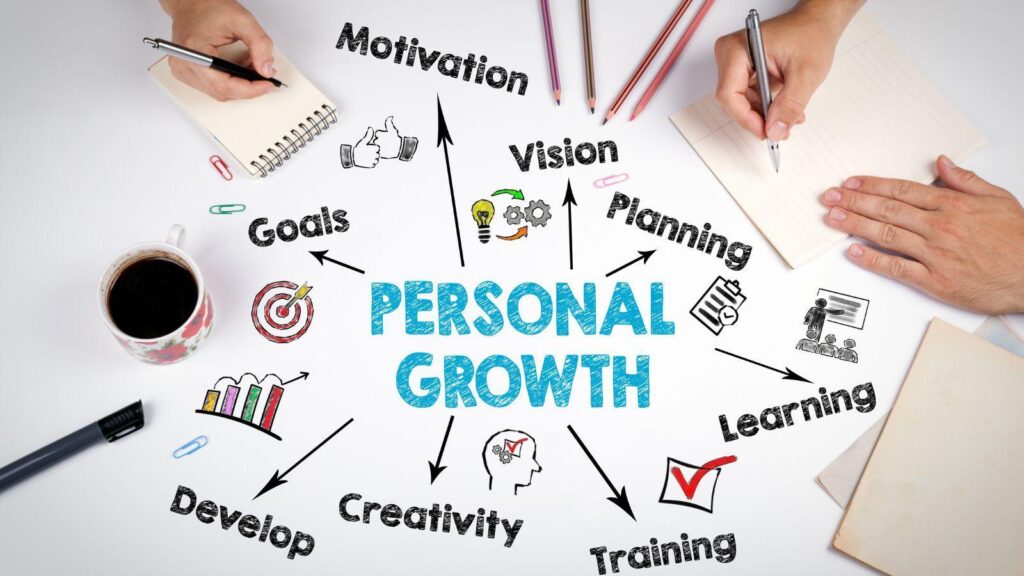
Creativity often gets treated as a hobby reserved for artists, yet its influence reaches far beyond galleries and stages. Painting, writing, music, cooking, and even improvised problem-solving contribute to how individuals understand themselves and interact with the world. Across Australia, more people are recognising that creative pursuits are not simply leisure but active tools for building resilience, confidence, and adaptability. The connection between creative expression and personal development is grounded in the way the mind responds to open-ended challenges, offering a path toward growth that structured routines rarely provide on their own.
How Creative Expression Shapes the Mind
Engaging in creative work activates thinking patterns that differ from routine tasks. When a person paints without a fixed outcome or writes a story without knowing the ending, the brain is encouraged to explore multiple possibilities at once. This flexible thinking gradually strengthens the ability to approach problems from unusual angles, a skill that transfers into professional and personal decisions.
Creative practice also builds tolerance for uncertainty. Few artistic projects unfold exactly as planned, and learning to adjust mid-process teaches patience and adaptability. Over time, this comfort with the unknown reduces the fear of failure, allowing individuals to experiment more freely in other areas of life. The willingness to try, revise, and try again becomes a foundation for continuous learning rather than a source of anxiety. The table below summarises how different creative benefits translate into everyday personal growth.
|
Creative Benefit |
How It Develops |
Everyday Impact |
|
Flexible thinking |
Exploring open-ended projects |
Better problem-solving at work and home |
|
Tolerance for uncertainty |
Adjusting plans mid-process |
Reduced fear of failure |
|
Emotional release |
Expressing feelings through art |
Steadier emotional wellbeing |
|
Confidence |
Completing and refining projects |
Greater comfort sharing ideas |
|
Social connection |
Collaborating in group activities |
Stronger sense of belonging |
Building Confidence Through Practice
Confidence rarely appears fully formed; it develops through repeated effort and visible progress. Creative activities provide steady opportunities to witness improvement, whether through a completed painting or a refined piece of writing. Each finished project serves as tangible proof of capability, reinforcing the belief that skills can be developed rather than being fixed traits.
This growing confidence extends into everyday interactions. Individuals who regularly create tend to feel more comfortable sharing ideas, defending their perspectives, and taking initiative. The habit of putting personal work into the world, even privately at first, nurtures a sense of ownership over one’s abilities.
Small Steps That Reinforce Growth
The value of creative habits often becomes clearer when broken into manageable actions that fit into daily life. Consistency tends to matter more than intensity, and modest routines can produce meaningful long-term change. The following approaches highlight how creativity can be woven into ordinary schedules.
- Setting aside short, regular sessions rather than waiting for large blocks of free time.
- Keeping a notebook or sketchpad accessible to capture spontaneous ideas.
- Exploring unfamiliar forms of expression to challenge established habits.
- Sharing finished work with a trusted circle to build comfort with feedback.
Emotional Benefits and Self-Understanding
Beyond cognitive effects, creative activities offer a channel for processing emotions that words alone cannot always capture. A melody, a sketch, or a handwritten passage can express feelings that remain difficult to articulate directly. This form of release helps regulate stress and provides a healthier way to work through difficult experiences, contributing to steadier emotional wellbeing.
Creativity and leisure blur together more often than we assume. Plenty of pastimes we file under “just relaxing” quietly ask the mind to imagine, weigh options, and react in the moment. Themed games at Fortunica are a good example, leaning on visual design, a bit of strategy, and the small creative sparks that come from making choices under changing conditions. Spotting these playful demands on the imagination widens our idea of where enrichment lives, and reminds us that a wandering, engaged mind rarely cares whether the activity looks productive on paper.
Social Connection and Shared Creativity
Creative pursuits also strengthen relationships and community bonds. Group activities such as choirs, writing circles, or craft workshops bring people together around a shared purpose, encouraging collaboration and mutual encouragement. These environments foster empathy, as participants learn to appreciate different perspectives and creative approaches.
Working alongside others introduces valuable exposure to constructive feedback. Learning to give and receive honest responses without defensiveness supports emotional maturity and communication skills. Within Australian communities, local creative gatherings continue to serve as accessible spaces for connection, particularly for those seeking meaningful engagement outside of work and family obligations. The social dimension of creativity therefore reinforces personal growth by pairing individual development with a sense of belonging.
Bringing Creativity Into Everyday Life
The importance of creative activities lies in their quiet ability to reshape how individuals think, feel, and relate to others. They cultivate flexible thinking, offer emotional release, build lasting confidence, and strengthen social ties. Rather than being a luxury separate from serious pursuits, creativity functions as a practical contributor to well-rounded development. Treating creative expression as a regular part of life allows its benefits to accumulate gradually, supporting personal growth in ways that feel natural, sustainable, and deeply personal over the long term.
