
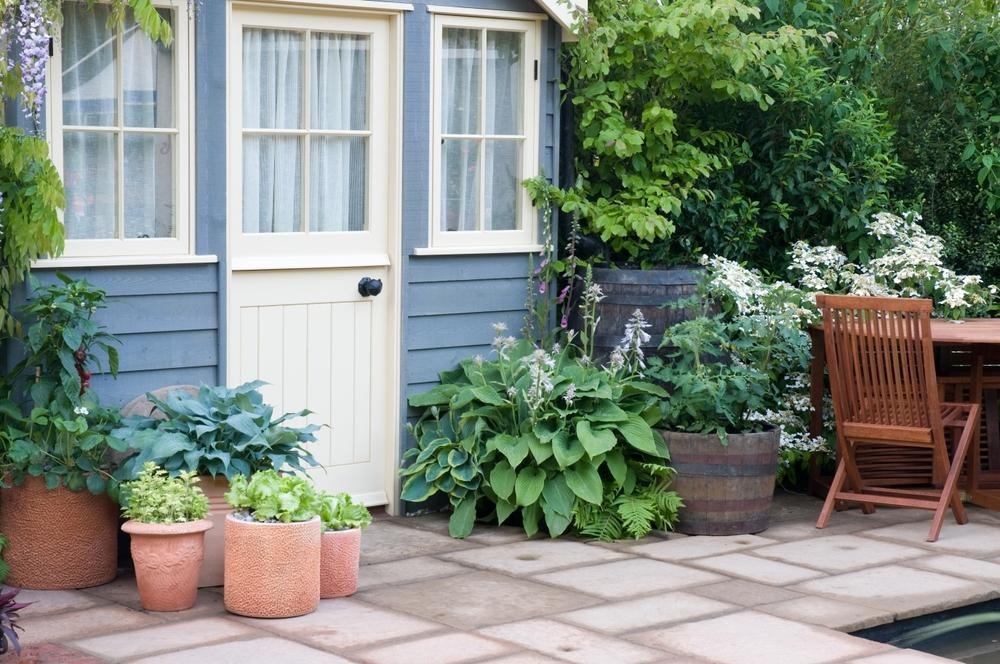
Choose native plants that match your sun and soil, set drip lines at the root zone, lay coarse mulch to hold moisture, and turn food scraps into compost that feeds beds through the season. Add a rain barrel to catch roof runoff and place shallow water for birds and bees so the garden supports life with less waste.
In this article, we at vidaXL explain how to plan water-wise beds, pick durable planters and tools, set up simple composting, and add small habitat touches. You will learn clear steps you can measure, with links to supplies that help you save water and reduce bin loads.
Build the basics with practical picks from vidaXL
A conservation-minded garden starts with a simple map and the right gear. Group natives by light and water needs, then match containers, beds, and irrigation to that plan. Durable planters, drip kits, and tidy storage help you work more and waste less. Sharp, solid hand tools make planting clean and quick, which helps roots take and reduces water loss.
Explore sustainable gardening supplies for native plants where we at vidaXL list sizes, materials, and care notes. You will find raised beds for poor or shallow soils, coir and jute liners for erosion control, hose reels that prevent kinks, pruning saws for old wood, and secateurs for soft stems. Choose recycled plastic for low upkeep, or thick-walled clay where insulation and weight matter. Sturdy kneeling pads and gloves reduce strain and scrapes when you set tube stock or clear weeds.
If water quality is a concern, add a rain diverter and barrel to feed drip lines. Keep mulch on hand to slow evaporation and build humus as it breaks down. A narrow wall rack keeps spades and forks dry and off the ground. With this base set, natives can root well and hold soil, offering shelter for wildlife without heavy upkeep.
Practical steps for planting and caring for natives
Work methodically so plants settle in and water use stays lean. These steps keep care simple and effective:
- Test drainage by filling a small hole with water; if it lingers for hours, plant species that handle damp or raise the bed.
- Dig holes twice as wide as the pot and only as deep as the root ball so crowns do not sink.
- Loosen circling roots with a soil knife to prevent long-term girdling.
- Water in with a slow trickle at the base; avoid overhead sprays that waste water and wet foliage.
- Add 5 to 7 cm of coarse mulch, keeping a small gap around stems to prevent rot.
- Group plants with similar needs so one drip line can serve them all.
- Use sticky traps and hand-picking for pests before considering low-tox sprays.
- Leave some leaf litter under shrubs to shelter insects and small lizards.
- Install a shallow birdbath on a pedestal and refresh the water often.
- We at vidaXL stock timers and hose fittings that make consistent, low-flow watering easier to maintain.
Review the bed once a week. Clip dead tips, top up mulch where bare soil shows, and check emitters for clogs. Keep a bucket of wood chips nearby for quick patches after wind or digging pets. Small checks prevent waste and keep the garden ready for the next season.
Turn kitchen scraps into steady soil food
Composting cuts landfill waste and builds structure in sandy or tired soils. Keep a small caddy in the kitchen for peelings and coffee grounds, then empty it into your outdoor bin or tumbler. Balance greens and browns so the pile heats, smells clean, and breaks down without flies.
To get started, compare efficient composters for reducing household waste available from vidaXL and pick a style that suits your space. Tumblers speed mixing and aeration. Static bins hold more volume. Worm farms work well on balconies and make liquid feed for pots.
Aim for roughly two parts dry browns (leaves, shredded cardboard) to one part greens (vegetable scraps, coffee grounds) by volume. Keep moisture like a wrung-out sponge. Turn a tumbler every few days, or fork a bin weekly to add air. Skip meat, glossy paper, and oily foods. When the mix is dark and crumbly with an earthy smell, spread a thin layer under mulch to feed soil life without smothering roots.
Save water and support local wildlife
Healthy native beds and careful water use go together. Tune the space around your plants so each drop counts and small creatures have safe habitat:
- Set drip emitters 10 to 15 cm from stems and widen the ring as shrubs grow.
- Water early in the morning to cut losses from heat and wind.
- Place flat stones or a small log pile in a corner to create cool shelter.
- Use shade cloth for first-week protection after planting during hot spells.
- Swap thirsty lawn strips for native groundcovers along paths.
- Edge beds with low barriers to keep mulch in place during heavy rain.
- Clean birdbaths and bee bowls often to avoid algae and mosquitoes.
Mark tap timers with watering days and minutes so routines stick. Keep a notebook for plant names and first-flower dates. These small habits help you save water, reduce runoff, and invite pollinators without adding daily chores.
Grow a garden that gives back
Pick natives that fit your light and soil, lay drip lines before the heat arrives, mulch to hold moisture, and return kitchen scraps to the beds through a composter. We at vidaXL make it straightforward to choose the core gear and keep it organised, so you can focus on planting and steady care. Start small, track what works, and repeat across your beds. With clear steps and practical tools, your patch can cut waste, save water, and support wildlife all year.