
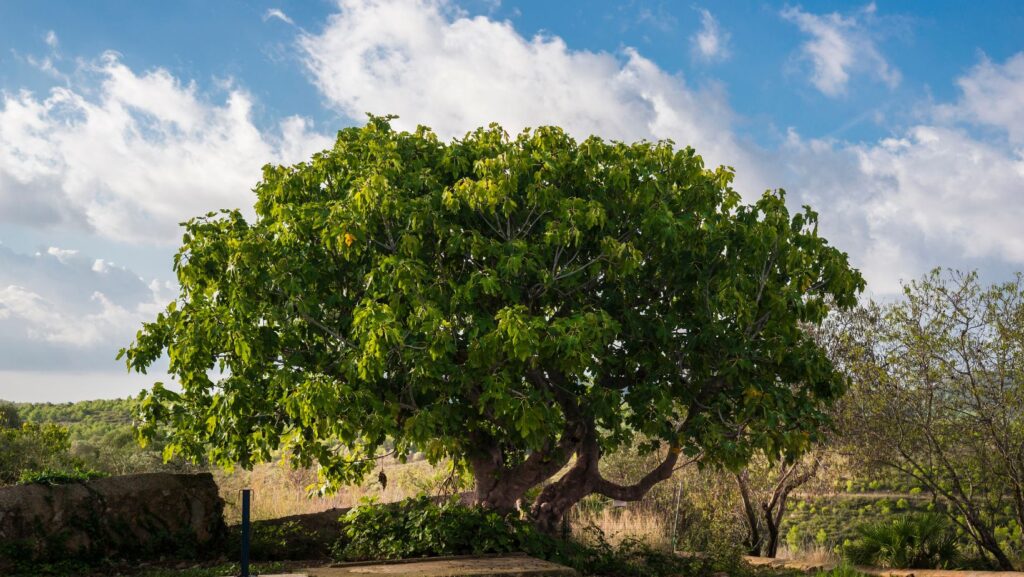
Fig trees are popular because of their sweet fruit and adaptability to different climates. They grow quickly and can reach a large size. This makes them perfect for both home gardens and small orchards. How big do fig trees get? Knowing the answer can help you plan how much space the tree needs and where it should be placed in your garden.
This guide will explain the height of typical fig trees, factors that affect how big they can grow, and how you can control their growth.
How Big Do Fig Trees Get?
An outdoor fig tree usually grows around 10 to 30 feet tall, depending on the conditions of growth. Many homeowners keep their trees closer to the smaller end, around 10 to 15 feet, by pruning them regularly.
On the flip side, ornamental fig species grow much larger. The banyan tree, or the Moreton Bay fig, can grow up to 50 to 60+ feet tall, but they’re mainly found in parks and forests instead of home gardens.
Full-grown fig trees will spread out about 15 to 25 feet in width. Their branches expand outwards rather quickly, so you’ll see a broad canopy being formed as your tree grows. This is why you’ll need to clear sufficient space to cater to the sudden growth without touching walls, fences, or any other trees in the area.
The roots also spread out pretty widely. Fig roots are known to usually match the width of the canopy. Because of this, you should avoid planting the tree near pipes or driveways at all costs!
If you choose indoor fig trees, keep in mind that they’ll be a lot smaller. These varieties are kept in pots and get less sunlight, which is why they stop after reaching the 6 to 7 feet mark. Their spread is also limited to around 2 to 4 feet wide.
How Long Can It Take for a Fig Tree to Reach Full Size?
Fig trees grow quickly, around 12 to 24 inches a year. It takes about 3 to 5 years for the tree to reach medium height and start producing regular fruit. By the eighth year, the tree will most likely reach full size.
What Affects the Growth of a Fig Tree?
There are a few simple factors affecting how big your fig trees can grow. These include:
- Variety: Standard varieties are usually around 15 to 30 feet tall, while dwarf varieties range from 6 to 10 feet, and ornamental figs can grow up to 60 feet outdoors.
- Climate: Figs exposed to proper sunlight in dry and warm climates will reach their maximum height compared to those in colder areas that might grow more like shrubs.
- Soil Quality: Fig trees planted in well-draining, loose soil will grow taller and spread wider than those in compact and watery soil.
- Watering and Nutrition: Consistent watering can help figs grow at a steady rate, while a long period of drought can stunt their growth. Similarly, using fertilizer during the growing season can increase size, but too much use can cause excessive leaf growth and less fruit.
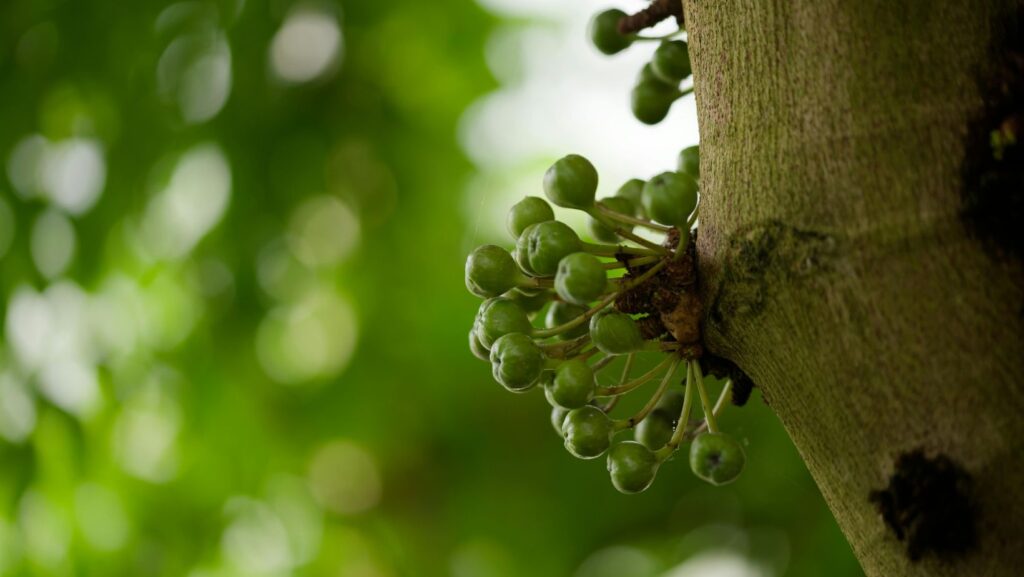
Can You Control the Size of a Fig Tree?
Yes, you can manage fig trees easily by pruning them to maintain their height and width. Outdoor fig trees are usually pruned in the late winter when the tree is dormant. You can also trim your indoor trees to remove tall or uneven branches.
You can also shape your tree using specific training methods. For example, espalier is an ancient practice of controlling growth by training the tree to grow flat against a wall. This keeps it small and organized. You can also use a container for the tree to prevent excessive root growth.
How Big do Fig Trees Get? Provide the Right Care to Your Fig Tree
Fig trees flourish in environments with lots of sunlight, well-draining soil, proper water, and no frost. As long as you provide these basics and buy from a reliable fig tree nursery, your fig trees will grow well and fit into your space accordingly. Just make sure you tailor your care according to the type of tree you choose. Indoor plants should be dealt with differently from large fruiting fig trees outdoors.