

Taking care of the land is a major task, and today many landowners want to do more than just keep their property in good shape. They want to help the animals that live on it, too. When we help wildlife, we help the land stay healthy. It also keeps nature strong for future generations. People like Stefan Soloviev show how much of a difference one landowner can make when they invest in open space and better land care.
Know Your Land
Before you make changes, take time to learn what lives on your property. When you know what is already there, you can make choices that help these animals survive.
Many landowners forget that the first step in habitat restoration is simple observation. When you see what needs help, you can act with more confidence.
Protect Water Sources
Animals need clean water to live. Streams, ponds, and wetlands are some of the best places to start helping wildlife. Here are a few easy ways to protect water:
- Keep grass or plants growing near the edges. This stops soil from washing in.
- Do not dump chemicals or trash in or near the water.
- Plant native plants around the banks to give birds and frogs a place to hide and rest.
Healthy water supports fish, birds, bugs, and bigger animals, too. It also keeps the entire land healthier for you.
Plant Native Plants
One of the best ways to support wildlife is to grow plants that belong in your area. These are called native plants, and animals know how to use them for food and shelter. When you plant native grasses, shrubs, and trees, you help bring back balance to the land.
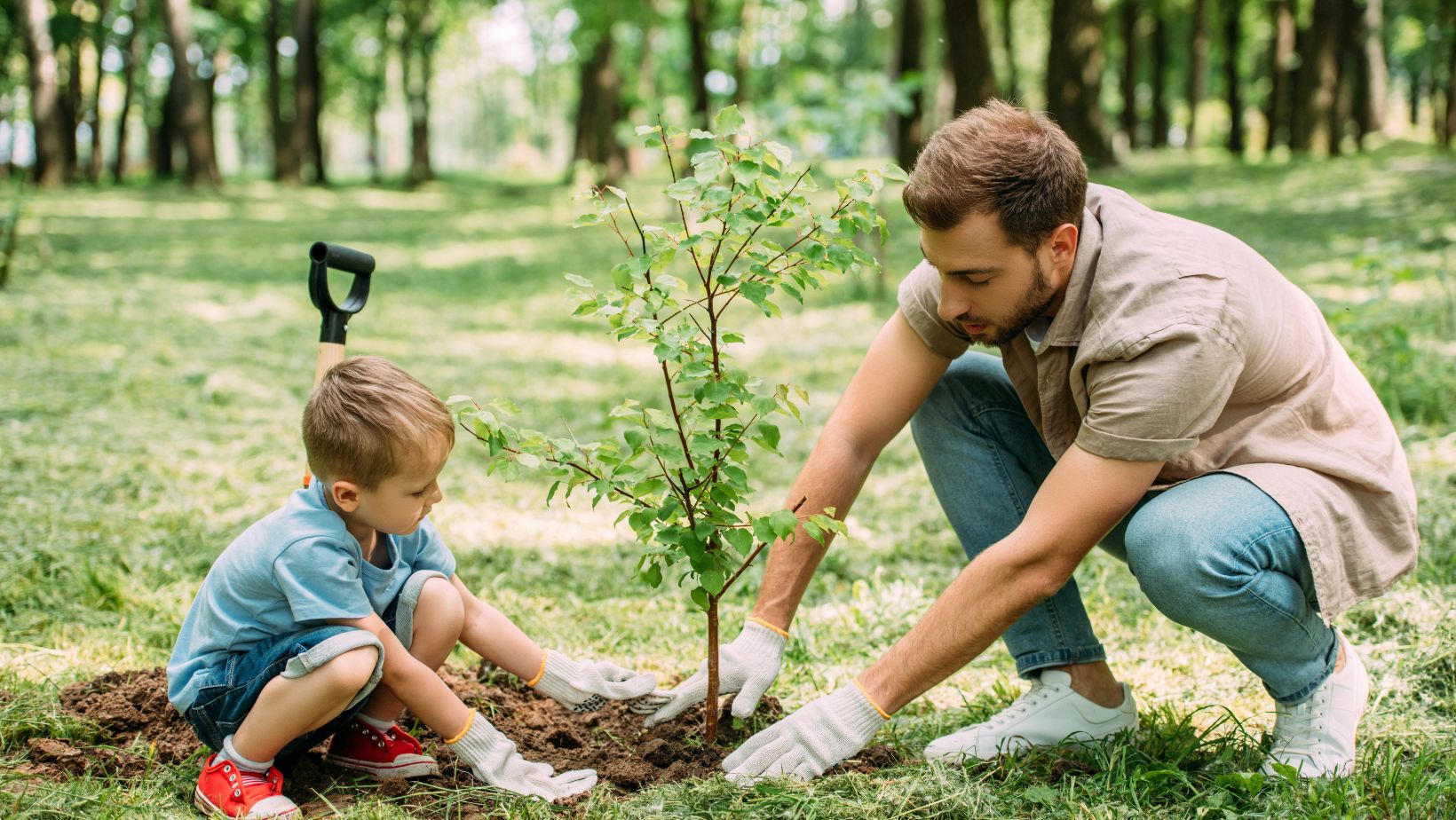
Native plants also need less water and less care. They grow deeper roots, hold the soil in place, and help prevent erosion.
Create Safe Spaces For Animals
Animals need places to hide, sleep, nest, and raise their young. Many landowners clear too much brush or remove fallen logs because they look messy. But these things help wildlife survive.
Try these simple ideas:
- Leave a few brush piles.
- Keep some tall grass in a corner of the land.
- Keep fallen logs on the ground.
- Add birdhouses or small nesting boxes.
These spots protect rabbits, birds, turtles, and even helpful insects. A little “wild” area can make a big difference.
Reduce Fencing Or Make It Safer
Strong fences can block animal paths. Some fences even injure wildlife. If you can, use open fencing or wires spaced wide enough for deer and small animals to pass through. You can also lift the bottom wire a bit so animals can go under it.
Use Land In A Smart Way
Good land management helps both people and animals. Here are simple ways to use your land wisely:
- Rotate grazing areas if you raise livestock.
- Protect trees and plant more if needed.
- Keep footpaths steady so you do not disturb nests or burrows.
- Choose natural methods instead of heavy chemicals.
Smart land use keeps the soil rich, the plants strong, and the wildlife safe.
Practice Safe Pest Control
Many people use harsh sprays to control pests, but these chemicals harm bees, birds, and other helpful animals. Try using gentle or natural methods instead for example.
- Remove standing water to stop mosquitoes.
- Use small traps instead of big chemicals.
- Invite helpful insects like ladybugs.
- This keeps the land safer for all creatures.
Support Local Conservation Groups
Landowners do not need to work alone. Many local groups focus on ecosystem protection, open space preservation, and wildlife research. These groups often offer free advice and simple plans that fit your land.
You can support them by joining clean-up days or planting events. When you work with others, your impact grows.
Teach Others And Share The Work
Helping wildlife is easier when others join in. Teach your kids, neighbors, or friends about the simple steps that make a big difference. Let them see the changes on your land. Show them how birds return when you add native plants. Share how frogs come back when you clean the pond. When more people learn, more people care.
Why Your Choices Matter
Every landowner shapes the future of local wildlife. With so much land being developed today, animals need safe places more than ever. When you protect their homes, you help protect your own land too. Healthy land supports a healthy life. It is that simple.
You do not need fancy tools or special training. You only need to pay attention, make small changes, and stay consistent. Bit by bit, the land becomes richer, the animals return, and the entire environment becomes stronger.