
Paw prints aren’t just on the floor; they sneak into the world around you, too. The morning kibble, the evening walk, the shampoo you squeeze into the tub…all of it has an impact on the environment, believe it or not. But you don’t have to flip your whole routine, just apply these few easy habits and slowly make your pet care greener and less wasteful.
Habit #1: Cut Back on Wrappers
Foil and plastic, crinkly bags. Almost every bag of kibble or treats comes this way. Before long, they’re just piling up in the trash. Switching to larger bags or topping up from bulk bins keeps those wrappers from stacking up so quickly. Some stores even allow refilling jars for dry goods and treats. It might not be available everywhere, but exploring options can reduce packaging without changing daily routines.
Also, choosing recycled or compostable packaging materials means they disappear faster instead of sticking around in the trash. No piles of wrappers in the landfill. Some brands explain what they’re made of, or show a certification from a third party. Worth a glance when shopping.
Habit #2: Greener Grooming
Foamy pet shampoos. Strong-smelling flea sprays. Every wash with these products carries these chemicals straight into drains. They may reach rivers, lakes, or streams and harm the marine life. Switching to plant-based, biodegradable products keeps your pet fresh while cutting down on that invisible pollution.
Biodegradable shampoos break down and rinse out easily, and natural flea treatments avoid that sticky, chemical film traditional sprays leave. No harsh residue left behind. Using refillable bottles adds another layer of eco-friendly action—less plastic stacking up in the house and less thrown into the trash.
But if you are thinking of swapping your flea treatment for a “natural” recipe you found online, check with your vet first. They’ll tell you what’s safe and what works.
Habit #3: Purchase Sustainably Sourced Pet Food
Pet food production has more environmental weight than most owners think. From trucking ingredients around to where the meat comes from, plus all the packaging—everything counts. You don’t have to change your pet’s diet completely. Start small… maybe pick one brand that uses sustainably sourced ingredients and go from there.

Overfeeding is another easy fix. Half-eaten kibble. Leftover wet food. Every bit adds up to wasted ingredients and energy. You don’t need to measure perfectly—but paying attention and adjusting portions to your pet’s activity helps cut down on waste.
Habit #4: Go for Lasting Gear
Faded collars, frayed leashes, scuffed jackets. Many people just toss these after a season. It’s waste after waste. Sturdier gear can last much longer. Look at the stitching and material quality before buying…some brands even offer repairs or recycling, which is a nice bonus.
Take a sturdy puppy raincoat, for example. It’ll keep your dog dry through rainy seasons without fraying and replace several cheap ones that fall apart. Pay a bit more once, buy less all year. Your wallet stays happier, and so does the environment.
Habit #5: Don’t Throw Old Items
Old bowls, beds, leashes? Don’t toss them. Many shelters take clean, used pet items. Keeps them in use and helps animals in need. Can’t donate? No problem. There are also community swap groups or online markets you can try.
Repurposing works too. Towels can become bedding for crates. Worn blankets are handy for wiping dogs down after muddy walks. Jars? Perfect for treat storage. These simple steps tie directly into circular living, where items go on to serve another purpose before reaching the end of their lifespan.
Habit #6: Reduce Microplastic Shedding From Pet Laundry
Some pet beds and even little puppy clothing shed little plastic microfibers every time they’re washed. Most laundry filters don’t stop them, so they slip down the drain and eventually turn up in streams, in fish, and even in tap water. You can reduce the chances of that happening.
Washing pet items in cold water slows fiber breakdown. Using fewer wash cycles also cuts back on how many particles enter the water system. Some households even install microplastic filters on their washing machines to catch more of these tiny fragments. There are also laundry bags designed to collect fibers before they drain out. All of these steps won’t stop it entirely, but they cut the amount going into waterways.
Habit #7: Respect the Outdoors

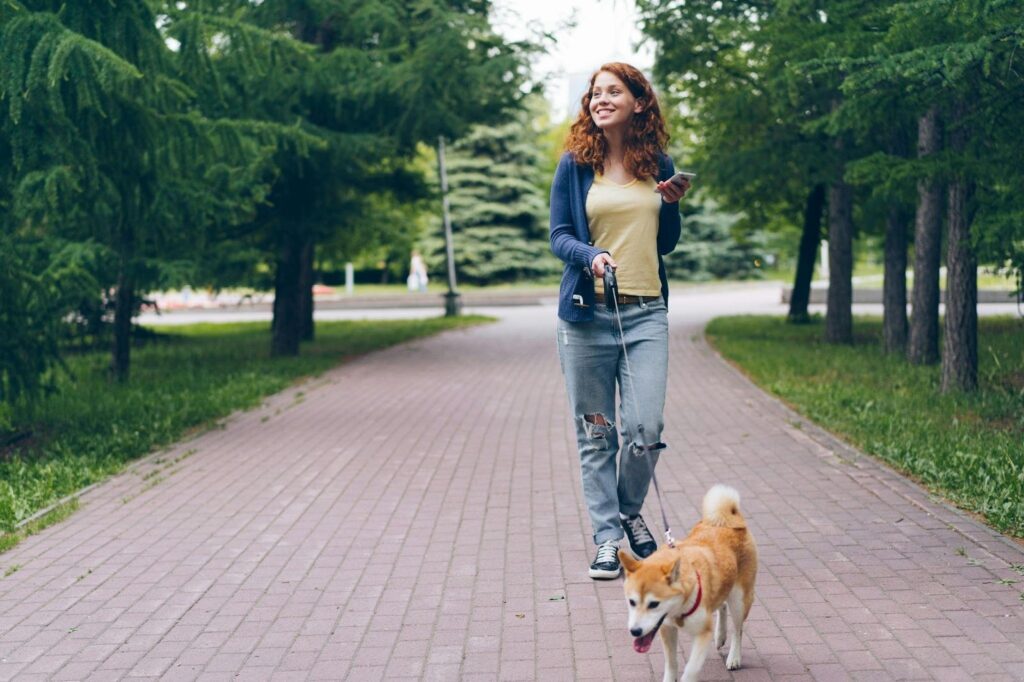
Open spaces let pets explore and use up energy. But plants and wildlife can be affected by them. Stick to trails. Don’t let pets disturb nesting areas or fragile plant life. That sudden dash at a squirrel? It sends birds and small creatures into a panic. In sensitive areas, reel the leash in and call the dog back quickly so wildlife can carry on undisturbed.
Don’t leave pet waste behind. Rain will carry it into drains and waterways, and that can harm streams and lakes. Check local rules. Compost programs exist in some places to help you dispose of the waste. But if not, bag it, toss it in the trash.
Conclusion
Eco-friendly pet care is about sensible swaps you can keep doing. Check grooming products. Feed thoughtfully. Choose gear built to last. Reuse and donate. Wash pet items smartly. Respect nature when outside.
Even small changes add up. Your pet experiences the same world you do. Adjust a few routines and it benefits them, you, and the animals living nearby.