
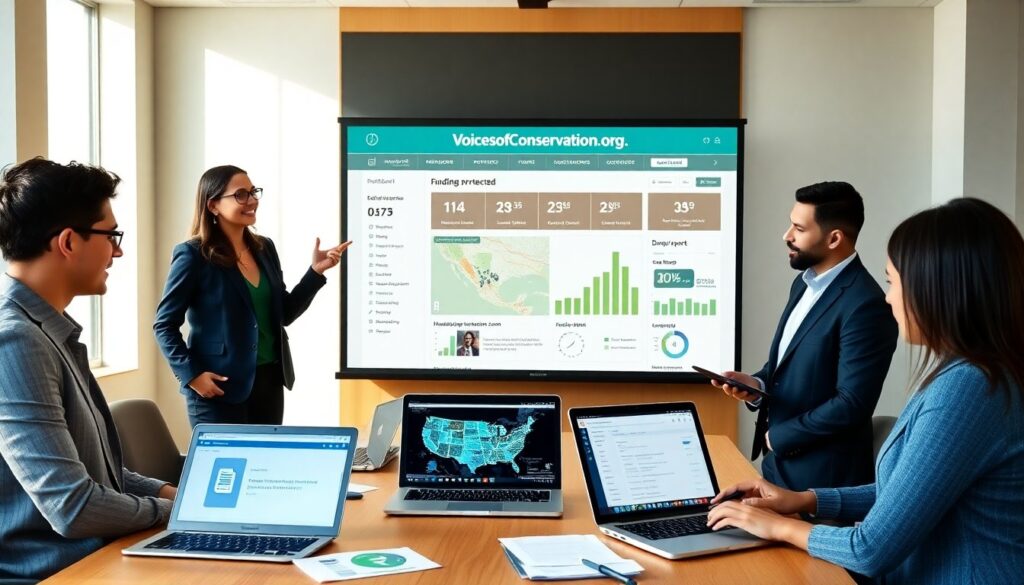
VoicesOfConservation.org highlights conservation work through first-hand stories. The site posts field reports, interviews, and project updates. Readers find clear project goals, budgets, and timelines. The site links donors to measurable outcomes. The content aims to inform people who want to support conservation with evidence and accountability.
Key Takeaways
- VoicesOfConservation.org is a nonprofit platform that shares verified stories and data on conservation efforts, focusing on habitat protection and species recovery.
- The site provides clear project details including goals, budgets, timelines, and measurable outcomes like hectares protected and breeding success rates.
- Multimedia content such as videos, audio interviews, photo essays, and interactive dashboards enhance transparency and demonstrate project impact.
- Readers can actively support conservation by donating, volunteering, sponsoring monitoring stations, or adopting projects with access to detailed progress and financial reports.
- Educational resources and data access promote informed participation from teachers, researchers, policymakers, and local leaders.
- The platform fosters accountability by regularly updating metrics, issuing impact reports, and communicating setbacks with corrective actions.
What VoicesOfConservation.org Is And Who It Serves
VoicesOfConservation.org is a nonprofit storytelling platform. It publishes case studies, audio interviews, and short videos. The site focuses on habitat protection, species recovery, and community-led conservation. The audience includes donors, teachers, researchers, and local leaders. The site lists partners and funders on each project page. It shows budgets, timelines, and key performance indicators. It tracks metrics such as hectares protected, breeding pairs recorded, and community training hours. The platform updates those metrics every quarter. The editorial team verifies reports before publishing. They cite field data and partner records. They attach downloadable datasets when possible. The platform also hosts survivor interviews and ranger diaries. Those pieces show daily challenges and practical solutions. The site uses plain language so people can understand results. It also offers lesson plans for classrooms and briefing notes for policymakers. VoicesOfConservation.org aims to bridge the gap between field teams and supporters. The platform helps donors choose projects that match their values. It helps local leaders share progress with constituents. It helps researchers find on-the-ground data for further study.
Signature Stories, Campaigns, And Multimedia That Drive Change
VoicesOfConservation.org presents signature stories that focus on measurable wins. One story follows a coastal restoration project that restored 120 hectares of mangrove in two years. Another profile shows a community that increased sea turtle hatch success from 40% to 78% in three seasons. The site pairs narratives with campaign pages that list targets and donation milestones. Campaign pages show clear goals, such as number of trees planted or kilometers of fence removed. The site uses short videos to document techniques and outcomes. Each video shows before-and-after comparisons and simple charts. The platform posts audio interviews with field staff and community leaders. Those interviews highlight local practices and immediate results. VoicesOfConservation.org uses photo essays to show seasonal change and species recovery. The site adds maps that show project boundaries and monitoring points. It also includes interactive dashboards for major campaigns. Dashboards let users filter by year, location, and metric. The dashboards show funding status and expenditure categories. The platform publishes periodic impact reports that synthesize campaign data. Those reports show what worked, what failed, and what the team learned. They include next steps and specific funding needs. The site invites guest posts from scientists and local activists. The guest posts explain methods and show raw data. That approach helps donors and partners make informed decisions.
How Readers Can Get Involved, Support Projects, And Track Impact
VoicesOfConservation.org lists clear engagement options. Readers can donate to open campaigns. They can sponsor a monitoring station or fund a survey. The site offers one-time donations and monthly giving plans. The platform also lists volunteer opportunities with local partners. Those listings include required skills and time commitments. Readers can subscribe to project update emails. The updates arrive with short summaries and metric changes. Donors can access donor dashboards that show exactly how funds moved. The site issues receipts and quarterly impact statements. Readers can adopt a project and receive quarterly photos and data. They can request a virtual briefing with project leads. The platform also offers classroom toolkits for teachers. Schools can use those kits to teach field methods and data literacy. Researchers can request access to raw datasets under clear terms. The site requires data use agreements for sensitive locations. VoicesOfConservation.org posts progress logs for each project. The logs record field activities, monitoring results, and budget updates. The platform also posts alerts when projects face setbacks. Those alerts explain causes and corrective steps. The site provides contact information for project managers. It also lists partner NGOs and their local offices. Readers can track long-term impact through the site’s archive. The archive shows historical baselines and yearly comparisons. That structure helps readers evaluate results across time and support projects with confidence.
