
For centuries, people looked at farm animals through a narrow lens of pure productivity, often ignoring their overall well-being and complex biological needs. Recent advances in veterinary science and animal welfare highlight that pigs, cows, and chickens require much more than just basic shelter to thrive. These animals build deep social bonds and rely on stable environments to maintain their physiological balance. There is a strong link between an animal's physical health and the environment they live in, especially when external factors compromise their resilience.
Careful management that eliminates physical stress and focuses on balanced nutrition naturally improves the comfort and behavior of the whole group. Understanding this biological balance paves the way for modern, smart farming where animal welfare blends perfectly with advanced feed strategies.
The importance of natural behaviors and herd health
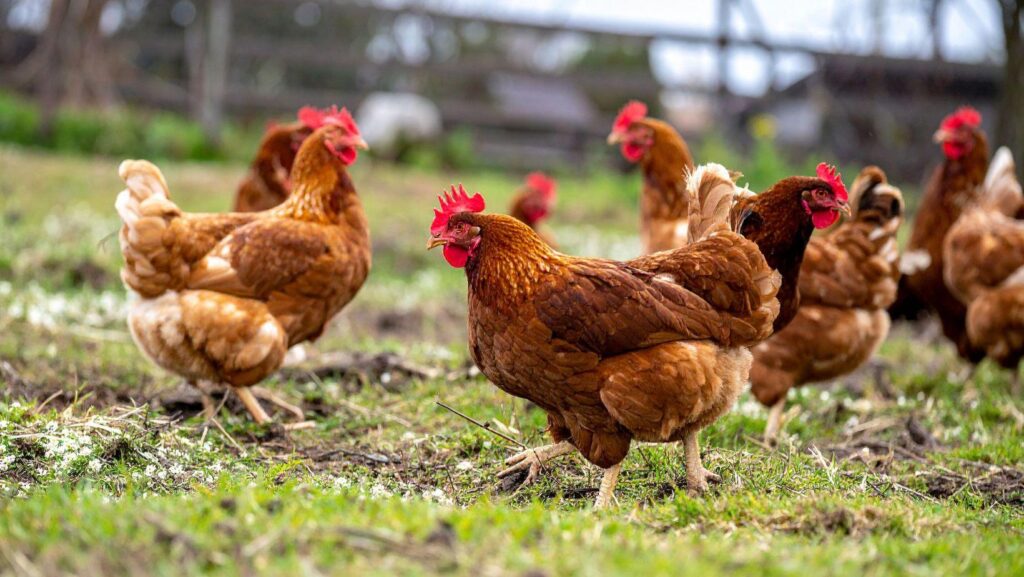
When you watch animals inside a barn, it is clear they possess complex natural behaviors. Pigs are highly inquisitive and driven to explore their surroundings, while cattle establish clear community structures based on mutual recognition. Even chickens thrive when allowed to express natural foraging habits.
However, this delicate biological balance can instantly fall apart if the animal's physiological system is influenced by environmental stress or long-term nutritional gaps. If livestock do not get a steady, balanced supply of vitamins, minerals, and high-quality amino acids in their daily feed, their overall vitality declines. This physical discomfort disrupts the peace of the group, leading to abnormal habits or aggression that degrades the welfare of the entire herd.
How targeted feed defends against heat stress
An animal’s physical wellbeing is constantly under attack from seasonal weather extremes, which throw off normal bodily functions and cause a drop in vitality and feed intake. Heat stress is common in many species, but it can be prevented with specific feed additives formulated to shield cells from overheating and systemic inflammation.
Here is the problem: when summer temperatures shoot past an animal's comfort zone, their body starts diverting blood flow away from the internal organs out to the skin in a desperate bid to cool down. This leaves the digestive tract and vital organs starving for the oxygen they need to work right.
This internal shift causes severe physical exhaustion that stops livestock from exploring or socializing normally, but using advanced microencapsulation tech changes the game. It allows feed mills to pack stable, active compounds into the feed that regulate electrolytes and keep cortisol levels from spiking. This kind of precision nutrition shields the nervous system of both ruminants and monogastrics, helping them stay calm and comfortable.
Biological feed for long term welfare
Formulating a highly sustainable feed shouldn't stop at meeting the bare minimum requirements for physical growth: long-term health of the animal's gastrointestinal tract should be considered too. A clean, healthy digestive system (one free from acidosis or bad fermentation) serves as the foundation for the animal's immune system. This naturally supports their overall vitality and keeps the animal comfortable and responsive.
Consistently mixing botanical extracts, organic acids, and natural antioxidants into livestock diets stabilizes the gut microbiome, wiping out the irritability that comes from internal physical discomfort. Modern feed mills follow tight biosecurity and traceability rules to make sure there are zero toxins or chemical contaminants in the mix. Left unchecked, these contaminants cause internal inflammation that warps an animal's temperament and coping skills.
Only by obsessing over every single ingredient in the feed bag can the industry push past old production bottlenecks, building an ethical supply chain where feed efficiency meets full respect for the biological needs and overall wellbeing of the animals.
