
Conservation is often discussed through forests, oceans, wildlife, and protected landscapes. These topics are important, but sustainability also begins much closer to home.
The way people build, repair, renovate, and maintain their homes can affect energy use, waste, water consumption, and the demand for new materials. A home improvement project may seem small compared to global environmental issues, but millions of small decisions can create a large impact over time.
This is why homeowners should think about sustainability before starting any renovation. A better home should not only look newer. It should also work more efficiently, last longer, and reduce unnecessary waste.
Repair Before Replacing
One of the simplest ways to reduce waste is to repair what can still be used. Many homeowners replace materials too quickly because something looks old, scratched, faded, or outdated.
But not every problem requires full replacement.
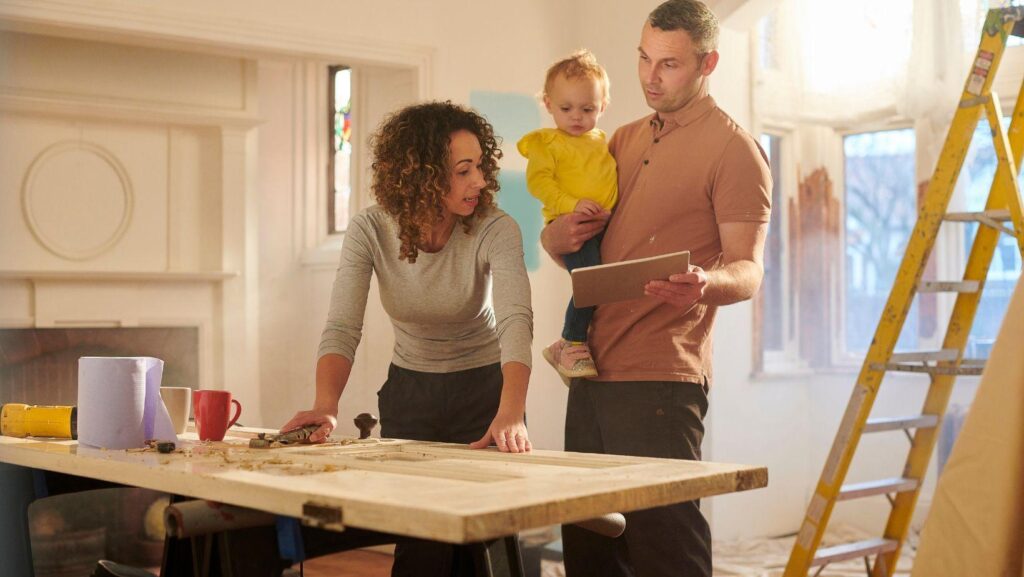
Cabinets can sometimes be refinished. Wood surfaces can be repaired. Fixtures can be updated. Doors, trim, and flooring may be restored instead of removed. Even small repairs can extend the life of existing materials and keep usable items out of landfills.
Of course, repair is not always the right choice. If a structure is unsafe, damaged by water, or no longer functional, replacement may be necessary. The goal is to make a thoughtful decision, not an automatic one.
Choose Durable Materials
Sustainability is not only about using recycled or eco-friendly products. It is also about choosing materials that last.
Cheap materials may save money at the beginning, but they often wear out faster. When materials fail early, homeowners may need to replace them again, creating more waste and higher long-term costs.
Durable materials can be a better choice for flooring, decking, siding, roofing, cabinetry, and exterior work. They may cost more upfront, but they can reduce waste over time.
When planning larger home updates, working with experienced professionals such as US Quality Construction can help homeowners think through material quality, durability, and long-term value before starting the project.
Improve Energy Efficiency
Energy use is one of the biggest environmental factors inside a home. Heating, cooling, lighting, appliances, and poor insulation can all increase energy demand.
A renovation is a good time to improve efficiency. Homeowners can upgrade insulation, seal air leaks, install better windows, improve ventilation, add efficient lighting, or choose energy-saving appliances.
Even simple changes can help. LED bulbs, smart thermostats, better weatherstripping, and improved window coverings can reduce waste without requiring a full remodel.
The best approach is to look at the whole home. If a room is always too hot or too cold, the problem may not be the thermostat. It may be insulation, windows, airflow, or poor sealing.
Reduce Water Waste
Water conservation is another important part of sustainable home improvement. Bathrooms, kitchens, laundry rooms, gardens, and outdoor spaces all use water daily.
Low-flow fixtures, efficient toilets, better irrigation systems, rain barrels, and drought-tolerant landscaping can help reduce water use. Homeowners should also repair leaks quickly. A small leak may not seem serious, but it can waste a surprising amount of water over time.
Outdoor planning matters too. Native plants, mulch, healthy soil, and smart watering schedules can reduce the need for constant irrigation while supporting local pollinators and wildlife.
Think About Outdoor Spaces Differently
A sustainable home does not stop at the walls. The yard, garden, driveway, deck, and outdoor living areas also matter.
Homeowners can choose plants that support bees, butterflies, and birds. They can reduce lawn size, avoid harmful chemicals, compost organic waste, and use permeable surfaces where possible. These choices help create healthier outdoor spaces and reduce pressure on local ecosystems.
Outdoor improvements should also be planned carefully. A deck, patio, or garden path should be useful, durable, and designed to avoid unnecessary damage to trees, soil, and drainage patterns.
Avoid Trend-Based Renovations
Trends can create waste. When homeowners remodel only to follow a short-term design trend, they may feel pressure to update the same space again a few years later.
A more sustainable approach is to choose timeless designs and flexible layouts. Neutral materials, practical storage, quality finishes, and simple design choices usually last longer than highly specific trends.
This does not mean a home should feel boring. Personality can come through paint, art, textiles, plants, and decor. These are easier to change than flooring, cabinets, countertops, or major structural features.
Plan the Project Before Buying Materials
Poor planning often leads to waste. Homeowners may buy too much material, choose the wrong product, change the design midway, or remove items that could have been reused.
Before starting a project, create a clear plan. Measure carefully. Decide what can stay. List what must be replaced. Research materials. Ask about disposal, recycling, and reuse options.
If a contractor is involved, ask how they handle waste and whether any materials can be donated, recycled, or reused.
Support Local and Responsible Choices
Sustainability is also connected to where materials and services come from. Local suppliers and contractors can sometimes reduce transport impact and support the local economy.
Homeowners should also ask questions about product quality, sourcing, warranties, and expected lifespan. A responsible project is not only about the finished look. It is about how the work is done.
Know When Professional Help Matters
Some sustainability improvements are simple. Others require professional support. Electrical work, structural changes, roofing, major plumbing, siding, decking, and full remodels should be handled carefully.
Bad installation can lead to water damage, energy loss, safety problems, and early material failure. That creates more waste, not less.
If homeowners are comparing renovation options or looking for broader project guidance, FindRemodeling can help them explore home improvement resources before moving forward.
Final Thoughts
Sustainable home improvement is not about perfection. It is about making better choices where possible.
Repairing instead of replacing, choosing durable materials, reducing energy and water waste, planning outdoor spaces carefully, and avoiding short-term trends can all support a more responsible way of living.
Conservation begins with awareness, but it grows through daily decisions. A home that is efficient, durable, and thoughtfully maintained can reduce waste while supporting a healthier environment.
Every project is a chance to ask a simple question: how can this improvement serve the home today without creating unnecessary harm tomorrow?
