
Modern life is more connected than ever before. People work online, communicate through apps, watch films on streaming platforms, listen to podcasts, play mobile games, read digital magazines, and follow global conversations in real time. Technology has changed not only how people complete daily tasks, but also how they relax, learn, and spend their free time. The digital world has become a constant part of everyday routines, offering convenience, entertainment, and access to information almost anywhere.
At the same time, many people are becoming more aware of the need for balance. After hours spent in front of screens, there is a growing interest in outdoor activities, slow travel, local nature, conservation projects, and healthier leisure habits. This does not mean rejecting technology. Instead, it means using digital tools in a more thoughtful way — as something that can support real-life experiences rather than replace them completely.
One of the most interesting changes is how technology helps people connect with nature. Mobile apps can identify plants, birds, insects, and animal tracks. Digital maps help hikers discover safe routes and protected areas. Online platforms share information about conservation work, climate awareness, wildlife protection, and local environmental initiatives. A person can learn about a forest, beach, wetland, or national park before visiting it, then use technology to understand the place more deeply.
This is especially important for younger generations, who often discover environmental topics through digital content. Short videos, photo essays, interactive maps, podcasts, and online campaigns can introduce people to conservation in a way that feels accessible and engaging. A well-made video about ocean pollution or endangered species can reach millions of viewers. A local wildlife project can find supporters through social media. A community cleanup can attract volunteers through a simple online post.
Digital entertainment also plays a role in this wider cultural shift. People now choose from many forms of leisure: streaming documentaries, listening to nature podcasts, joining online workshops, reading long-form articles, exploring virtual museum tours, or playing casual games during short breaks. The variety is huge, and this creates more opportunities for people to build personal routines that match their mood, energy, and interests.
Gaming and online culture are part of this landscape too. Games are no longer limited to one narrow audience. Some focus on strategy, some on creativity, some on storytelling, and others on relaxation. There are games about farming, city planning, wildlife, survival, exploration, and environmental decision-making. Even when games are not directly educational, they can still shape how people think about systems, resources, cooperation, and consequences.
The language of the internet is also constantly changing. New names, trends, phrases, and search terms appear across blogs, forums, apps, and social platforms. A phrase such as Trip2vip casino no deposit bonus can exist as one small example of how digital culture collects and circulates specific expressions online. In a fast-moving digital environment, words and titles often travel far beyond their original context and become part of the broader language of online entertainment.
However, the growth of digital leisure also brings responsibility. Endless feeds, notifications, autoplay features, and recommendation systems can make it difficult to disconnect. Many people start with a short break and suddenly realize they have spent much more time online than planned. This is why digital wellbeing has become an important topic. Users are learning to set boundaries, turn off unnecessary alerts, use focus modes, and choose more carefully what kind of content deserves their attention.
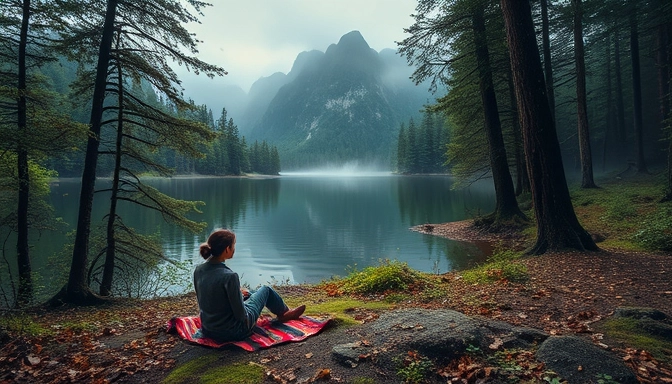
Nature can help restore that balance. Spending time outdoors, even for a short walk, can create a break from constant digital noise. Parks, rivers, forests, gardens, and coastal areas offer a different rhythm. They remind people that leisure does not always need to be fast, interactive, or screen-based. Sometimes, the most valuable free time comes from observation, quiet, movement, and fresh air.
Technology can support this kind of leisure when used wisely. A person might use a map app to find a new walking route, a camera to photograph birds, a podcast to learn about local ecosystems, or a digital guide to understand native plants. Families can use apps to make outdoor learning more interesting for children. Communities can use online platforms to organize conservation events, share updates, and celebrate small environmental wins.
The future of leisure will likely combine digital and physical experiences even more closely. Virtual reality may help people explore remote natural places without damaging fragile environments. Augmented reality could add educational layers to parks and museums. Smart devices may help track air quality, weather, wildlife movement, or personal activity. These tools can make environmental awareness more engaging, but they should still encourage people to respect and protect the real world around them.
In the end, the most meaningful form of modern leisure is not about choosing between technology and nature. It is about finding a healthier relationship between them. Digital tools can inform, entertain, connect, and inspire. Nature can calm, restore, and remind people of what exists beyond the screen. When these two worlds work together, free time becomes richer and more intentional.
A connected life does not have to mean a disconnected mind. With the right habits, technology can help people discover new ideas, support conservation, enjoy entertainment, and still make space for outdoor experiences. The challenge is not to avoid the digital world completely, but to use it with purpose. As entertainment, education, and environmental awareness continue to evolve, the best future will be one where people stay curious, responsible, and connected to both the online world and the living planet around them.
