
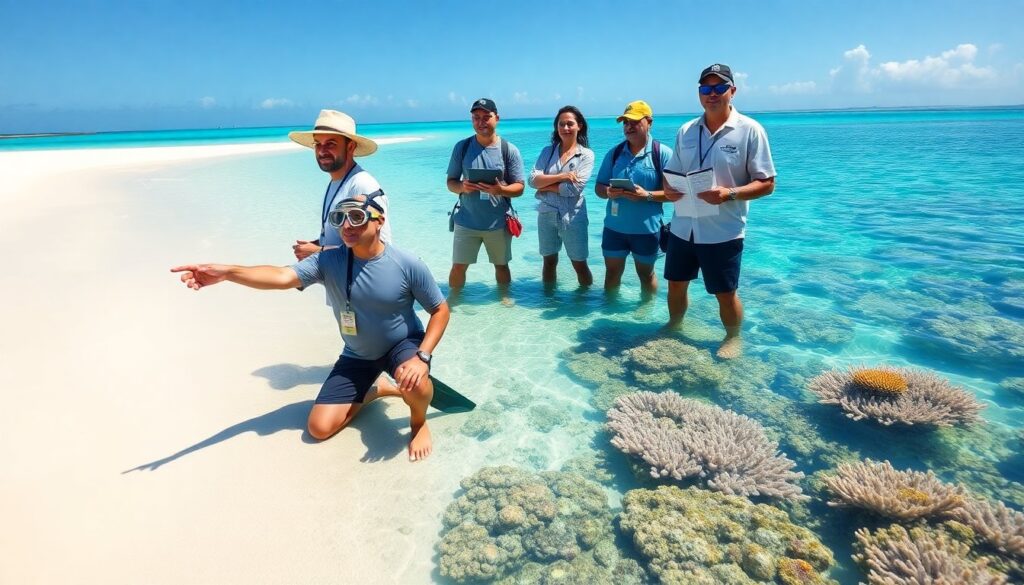
fiji enchanting beaches vibrant coral voicesofconservation highlights Fiji’s coastal value and urgent needs in 2026. The piece gives clear facts and action steps. It shows where coral and beaches matter most. It names threats and local efforts. It shows how travelers can help when they arrive.
Key Takeaways
- Fiji’s enchanting beaches and vibrant coral reefs are crucial habitats that support rich biodiversity and protect coastlines while sustaining local fisheries and tourism.
- Top beaches like Natadola, Yasawa Islands, Tivua Island, and Bouma each offer unique coral ecosystems and marine life ideal for responsible snorkeling and swimming.
- Coral reefs in Fiji host diverse species including stony and soft corals, sea fans, and marine animals such as sea turtles, manta rays, and colorful reef fish.
- Major threats to Fiji’s coral and beaches include rising sea temperatures causing bleaching, sedimentation, overfishing, pollution, and destructive fishing practices.
- Community-led conservation efforts, including marine protected areas and reef monitoring, play a vital role in preserving Fiji’s coastal ecosystems.
- Travelers can support Fiji’s conservation by choosing local guides, using reef-safe sunscreen, respecting reef rules, joining cleanups, and contributing to community projects upon arrival.
Why Fiji’s Beaches And Coral Are Globally Important
Fiji supplies habitat for many marine species. Its beaches support nesting sea turtles and shorebirds. Its coral reefs protect coastlines from storm waves and erosion. Scientists record high biodiversity in Fijian reefs, including reef-building corals and reef fish. The reefs also support fisheries that feed local communities. The tourism sector earns significant income from beaches and reefs. Global reef health affects regional fisheries and climate resilience. Protecting Fiji’s beaches and coral serves both local people and global biodiversity.
Top Enchanting Beaches To Visit And What Makes Them Special
Natadola Beach offers wide white sand and clear water. It suits swimmers and families. Coral habitat lies offshore in shallow patches. Yasawa Islands present secluded coves and limestone cliffs. These beaches offer calm lagoons and access to diverse reefs. Tivua Island features sandbars and easy reef entry for snorkelers. Coral here shows bright colors in calm water. Bouma on Taveuni gives rainforest-backed beaches and strong currents for advanced swimmers. Each beach pairs specific reef types and marine life that visitors can observe with care.
Best Snorkeling Spots Around Those Beaches
Near Natadola, snorkelers find shallow bommies close to shore. They see butterflyfish, surgeonfish, and small reef sharks. Around Yasawa, snorkelers explore fringing reefs and reef flats with parrotfish and anemonefish. At Tivua, guides lead to coral gardens with large gorgonians and schooling fish. Near Bouma, strong currents bring pelagic species and colorful sponges. Visitors should use reef-safe sunscreen and avoid touching coral. Local guides point out the best entry points and times of day for calm water and better visibility.
The Vibrant Coral Reefs: Species, Colors, And Marine Life To See
Fiji hosts stony corals, soft corals, and large sea fans. Species include Acropora, Porites, and Montipora. Soft corals add pink, purple, and orange tones that attract small fish. Reef walls host moray eels, groupers, and manta rays in deeper water. Reef flats show cleaner stations where wrasses remove parasites from larger fish. Sea turtles feed on seagrass beds near coral reefs. Color patterns reflect coral health and water clarity. Divers and snorkelers report striking contrasts between healthy coral colonies and bleached areas during warm years.
Main Threats To Fiji’s Coral And Coastal Ecosystems
Rising sea temperature causes coral bleaching and kills sensitive species. Storms and coastal development increase sediment that smothers coral. Overfishing removes key species that control algae and keep reefs balanced. Land runoff brings nutrients that promote algal growth and reduce water clarity. Illegal dynamite or cyanide fishing still occurs in some areas and destroys reef structures. Invasive species alter local food webs. Pollution from plastic and sewage harms wildlife and degrades beach quality. Each threat weakens reef function and reduces the benefits reefs provide to people.
Voices Of Conservation: Community-Led Actions And How Travelers Can Help
Local communities run marine protected areas and village no-take zones. They monitor reef health with simple surveys and photo records. Women and youth groups grow native trees to reduce erosion. Local fishers practice seasonal closures and gear restrictions. Conservation groups train guides in low-impact tourism and reef-safe practices. Hotels support beach cleanups and reef rehabilitation projects. Scientific teams partner with communities to map priority reef areas. These actions show how local leadership and outside support can keep beaches and coral healthy for future generations.
Practical Ways Travelers Can Support Local Conservation On Arrival
They choose operators that use local guides and support community projects. They use reef-safe sunscreen and avoid touching coral. They join organized cleanups and pay voluntary conservation fees when offered. They buy local produce and crafts to support livelihoods that reduce fishing pressure. They follow simple rules: do not feed wildlife, do not anchor on coral, and follow designated paths on beaches. They report illegal activities to local authorities or guides. Small actions by many travelers add up to stronger protection for beaches and coral.
